Nauru
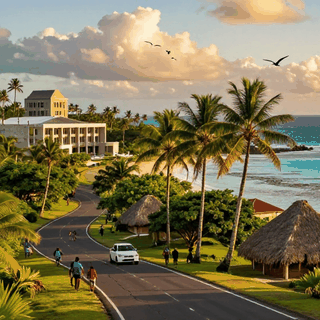
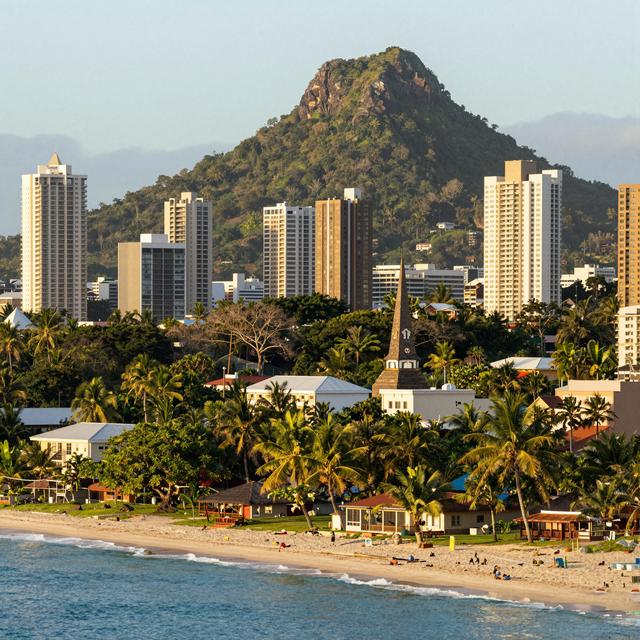
Nauru is a small island nation located in the central Pacific, covering an area of just 21 square kilometers, making it one of the smallest republics in the world. Geographically, Nauru is situated near the equator, east of Micronesia and west of Australia. The history of Nauru dates back over 3,000 years, with its earliest inhabitants being Micronesians and Polynesians. In the late 19th century, Nauru became a German colony, later transitioning to Australian administration after World War I, until gaining independence in 1968. The culture of Nauru is significantly influenced by its history, with traditional music, dance, and handicrafts playing an important role in local life. Economically, Nauru once thrived due to phosphate mining, but resource depletion has led to economic decline. Today, Nauru's economy relies mainly on foreign aid, phosphate exports, and a small amount of tourism. Socially, the majority of the population are Nauruans, with Nauruan and English as the official languages. Despite its small land area, Nauru has a relatively high level of education, and the living standards of its residents are gradually improving. In terms of tourism, Nauru attracts visitors with its beautiful beaches and rich marine life. Tourists can enjoy activities such as snorkeling and diving, exploring Nauru's natural scenery and unique ecological environment. It is important to note that Nauru's infrastructure is relatively basic, so visitors should prepare adequately before traveling, especially regarding accommodation and transportation. Additionally, due to Nauru's hot and humid climate, tourists should pay attention to sun protection and hydration to ensure a comfortable and safe trip.