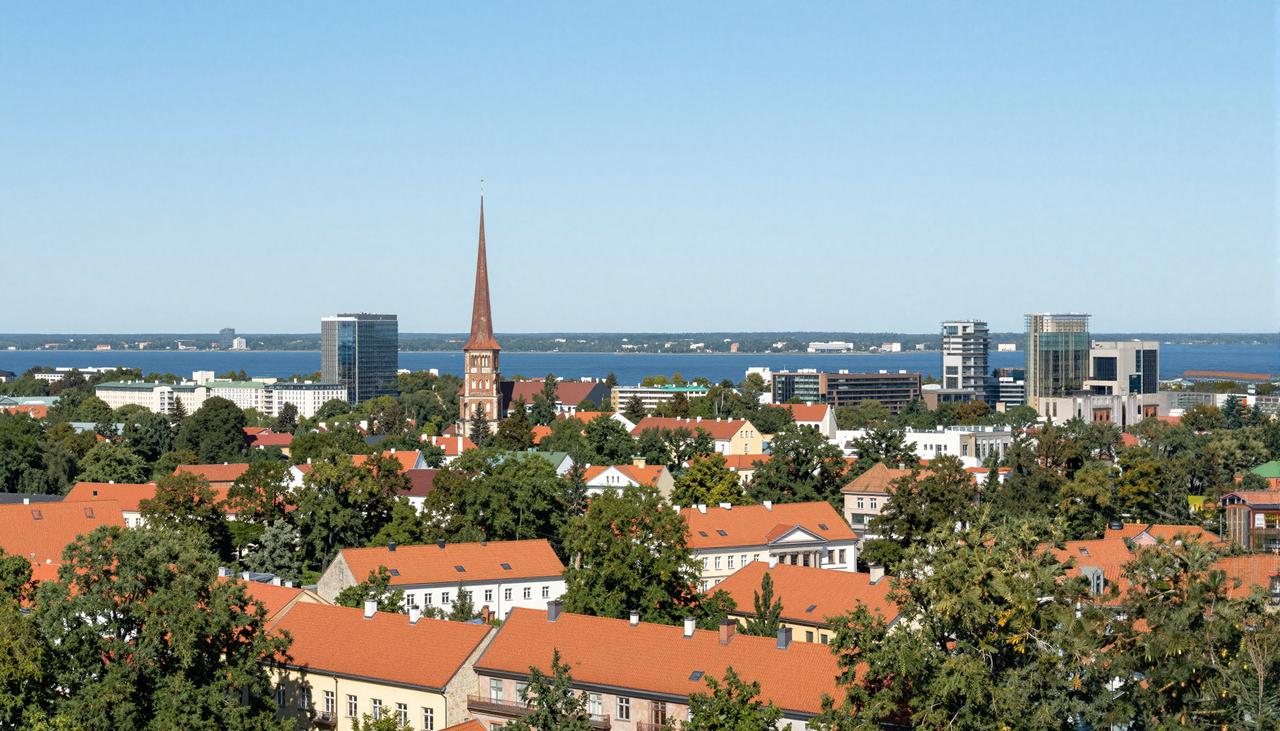
A Quick Overview of History and Culture
Latvia is one of the three Baltic states, boasting a rich medieval history and unique folk traditions. Its capital, Riga, is often called the “Venice of the North,” renowned for its abundance of Art Nouveau architecture and a well-preserved medieval Old Town. Latvian culture blends Germanic, Slavic, and indigenous elements, forging a distinctive national identity. Here, you can trace the evolution from ancient churches to contemporary art, while experiencing the enduring vitality of traditional music, dance, and festive celebrations. Familiarizing yourself with key terms such as “Art Nouveau movement,” “Baltic trade,” “folklore,” and “multi-ethnic coexistence” will deepen your appreciation of the region’s cultural diversity and richness.
Must-Visit Cultural Landmarks
Museums and Historical Sites
- Riga Castle: This medieval fortress has witnessed Latvia’s historical transformations and now serves as part of the National Museum, showcasing artifacts from prehistoric times to the modern era.
- St. Peter’s Church: One of Europe’s largest brick-built medieval churches, offering panoramic views of Riga’s Old Town from its tower.
- Freedom Monument: A symbolic tribute to Latvia’s independence, located in the city center’s central square.
- Lielvārde Village: A well-preserved 19th-century village that offers a glimpse into traditional farmhouses and rural life.
- Ventspils Historic Centre: Famous for its 16th-century fortifications and vibrant port culture.
- Old Riga Riverfront: Once a bustling trading hub, this area still preserves remnants of historic buildings.
Religious Architecture
- St. John’s Cathedral: One of Riga’s oldest churches, blending Gothic and Baroque architectural styles.
- Trinity Church: A quintessential example of Art Nouveau, with exquisitely decorated interiors.
- Trinity Monastery: Founded in the 13th century, it remains an important Orthodox religious site.
Cultural Spaces and Exhibitions
- Latvian National Museum of Art: Houses an extensive collection of works by local artists, spanning Impressionism to modern art.
- Riga Opera House: A grand venue that regularly hosts classic operas and ballet performances.
- Art Nouveau District: One of Riga’s most celebrated architectural ensembles, perfect for a leisurely stroll.
Immersive Cultural Experiences
Crafts and Cultural Workshops
- At Riga’s Handicraft Market, try your hand at making traditional pottery or wood carvings and immerse yourself in Latvia’s artisanal heritage.
- Join a traditional weaving class to learn how to craft woolen blankets using natural dyes—available at select rural guesthouses or cultural centers.
Performances and Festivals
- If your visit coincides with the Riga International Music Festival, book tickets in advance to enjoy world-class musicians.
- Attend a traditional folk dance performance, such as the Letu dance, often held at cultural centers or during local festivals.
Guided Tours and Interpretive Programs
- Opt for a city tour led by a professional guide, exploring Riga’s Old Town, Art Nouveau architecture, and historical landmarks to uncover the stories behind them.
- Take part in a folklore walking tour, where interactive storytelling brings Latvia’s myths and local legends to life.
Daily Cultural Itineraries
Day 1: A Journey Through History and Architecture
- Morning: Visit Riga Castle to delve into Latvia’s past, then head to St. Peter’s Church for a bird’s-eye view of the city.
- Afternoon: Wander through Riga’s Old Town, admiring the Art Nouveau district, and browse the handicraft market.
- Evening: Catch a performance at the Riga Opera House, or simply stroll through the Old Town’s open-air cafés.
Day 2: Where Culture Meets Nature
- Morning: Travel to Lielvārde Village to experience traditional rural life and explore local craft workshops.
- Afternoon: Return to the city to visit St. John’s Cathedral and Trinity Church, appreciating their religious architecture and artistic splendor.
- Evening: Enjoy a traditional folk performance or take a relaxing evening walk along the Daugava River.
Day 3: Art and Reflection
- Morning: Explore the Latvian National Museum of Art and its treasures of local creativity.
- Afternoon: Head to Ventspils to discover its historic center and maritime culture.
- Evening: Conclude your journey at the Riga Opera House or a cultural venue, soaking up the artistic atmosphere.
Cultural Etiquette and Taboos
In Latvia, respecting local customs and traditions is essential. Maintain quiet and appropriate attire when entering churches. Locals value politeness and punctuality, especially in formal settings. Avoid overly sensitive discussions about politics, particularly topics related to the Soviet era. In rural areas, refrain from entering private homes or farmland without permission. Additionally, using “thank you” (Paldies) and “sorry” (Atvainojiet) goes a long way in building positive relationships.
Budget Breakdown + Pitfall Prevention Guide + FAQs
Budget Estimate (per person, 3 days)
| Category | Cost (EUR) |
|---|---|
| Accommodation (budget hotel/guesthouse) | 120–180 |
| Meals (approx. €8–15 per meal) | 120–180 |
| Transportation (metro, bus, short trips) | 30–50 |
| Attractions (museums, churches, etc.) | 50–80 |
| Miscellaneous (craft experiences, shows, etc.) | 30–60 |
| Total | 350–550 |
Pitfall Prevention Guide
- Avoid buying souvenirs around major attractions, as prices may be inflated; opt for official markets or shops instead.
- Check opening hours carefully, as some museums and churches may be closed on weekends.
- Beware of unsolicited invitations from strangers on the street, which could lead to scams or misleading activities.
- Refrain from loud conversations on public transport, as Latvians value quiet and order.
- Be cautious of extremely low-priced tours, which may come with hidden fees or poorly planned itineraries.
- Don’t photograph religious sites or people without permission, especially inside churches.
FAQs
Q: Do I need a visa to visit Latvia? A: Chinese citizens holding ordinary passports can enter the Schengen Area visa-free for stays of up to 90 days.
Q: Is English widely spoken? A: Latvian is the official language, but English is commonly used in tourist areas.
Q: Is renting a car recommended? A: If you plan to explore the countryside or neighboring towns, renting a car is a good option; however, public transport is preferable within urban areas.
Suggested Resources for Further Information
- Official Tourism Website: Visit Latvia
- Riga Castle Website: Riga Castle
- Riga Opera House Website: Riga Opera
- Map Platforms: Google Maps / Waze
- Transport Websites: Latvian Railways / Riga Bus Station