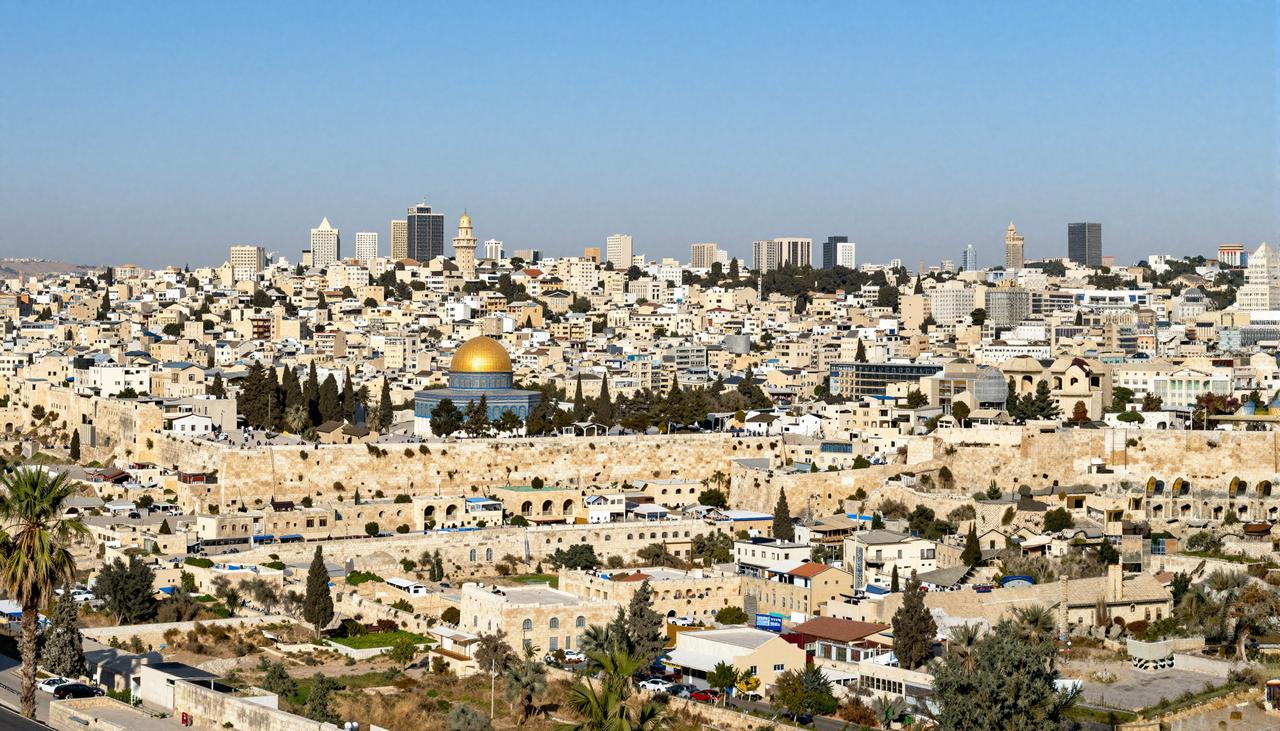
A Quick Overview of History and Culture
Israel is one of the birthplaces of the world’s three major religions—Judaism, Christianity, and Islam—and boasts a wealth of historical sites and cultural diversity. From ancient civilizations to the modern state, this land has witnessed countless shifts in history. Jerusalem, as a holy city, holds profound significance for Judaism, Christianity, and Islam, while Tel Aviv epitomizes Israel’s vibrant urban life. Here, travelers can experience the interwoven threads of religion, history, and contemporary living, as well as the dialogue and clashes between different cultures.
Must-Visit Cultural Landmarks
Religious Buildings and Historic Sites
- Jerusalem’s Old City: An ancient walled district that houses the Western Wall (Kotel), the Church of the Holy Sepulchre, the Al-Aqsa Mosque, and other key sites. It’s best explored area by area.
- Temple Mount/Haram al-Sharif: The holiest site in Judaism and the third-holiest in Islam; be mindful of entry restrictions and proper etiquette.
- City of David Museum: Showcases the ancient history of Jerusalem and offers insights into the city’s origins.
- Zion Gate and Mount Zion: Sacred sites for both Jews and Christians, offering panoramic views of Jerusalem.
- Dead Sea Region: Includes Masada Fortress and the Dead Sea’s salt-rich shores, blending natural beauty with historical grandeur.
- Baha’i Gardens in Haifa: One of the world’s largest religious complexes; advance reservations are required for visits.
Museums and Cultural Centers
- Israel Museum: Houses an extensive collection of biblical artifacts and archaeological finds, including the Shrine of the Book.
- Yad Vashem Holocaust Memorial: A place of remembrance and reflection dedicated to the victims of the Holocaust.
- Tel Aviv Museum of Art: Features works by Israeli and international artists.
- Mount Herzl National Cemetery: Honors the founders of Zionism and provides sweeping views of Tel Aviv.
- Jaffa Old City Museum: Chronicles Jaffa’s rich history and culture, perfect for those interested in the Mediterranean coast.
- Haifa Municipal Museum: Displays local history, folklore, and art.
Urban Neighborhoods and Cultural Spaces
- Jerusalem’s Muslim Quarter and Jewish Quarter: Each preserves its own distinct cultural and architectural character.
- Dizengoff Square and Dahya District in Tel Aviv: Hubs of modern art and nightlife.
- Kiryat Eliezer in Haifa: A neighborhood where tradition meets modernity, ideal for leisurely strolls.
- Jaffa’s Old City and Port: A historic seaside town brimming with galleries and cafés.
- Gush Dan Region around Netanya: Israel’s central economic and cultural heartland.
- Beersheba’s Ancient Citadel and Archaeological Park: Offers a glimpse into the风貌 of ancient cities.
Immersive Cultural Experiences
- Jewish Rituals: Join morning prayers or Sabbath ceremonies at a Jerusalem synagogue; familiarize yourself with the customs beforehand.
- Baha’i Faith Tours: Take a guided tour of the Baha’i Gardens in Haifa to learn about their philosophy and history.
- Olive Tree Trail Hike: Start in Jerusalem, wander through olive groves, and discover historic sites along the way.
- Tel Aviv Street Art Walk: Explore murals and public art installations created by local artists.
- Traditional Craft Workshops: Participate in pottery, glassblowing, or other hands-on classes in Tel Aviv or Jerusalem.
- Religious Festival Celebrations: Events like Passover or Hanukkah—join in if your schedule aligns.
Daily Cultural Itineraries
Day 1: First Impressions of Jerusalem
- Morning: Jerusalem’s Old City (Western Wall, Temple Mount)
- Afternoon: City of David Museum + Jewish Quarter
- Evening: Opera performance at the Jerusalem Theatre or a stroll through the Old City at night
Day 2: Exploring Religion and History
- Morning: Church of the Holy Sepulchre + Mount of Olives
- Afternoon: Israel Museum + Yad Vashem Holocaust Memorial
- Evening: Nightlife in Tel Aviv (Dizengoff Square)
Day 3: The Dead Sea and Natural Wonders
- Morning: Relaxing in the Dead Sea’s mineral-rich waters
- Afternoon: Masada Fortress + a walk along the Dead Sea shoreline
- Evening: Return to Jerusalem for some free time
Day 4: Haifa and the Baha’i World Center
- Morning: Haifa Municipal Museum + Baha’i Gardens
- Afternoon: Jaffa’s Old City and port
- Evening: Back to Tel Aviv for more exploration
Day 5: Modern Culture in Tel Aviv
- Morning: Tel Aviv Museum of Art + Dizengoff Square
- Afternoon: Shopping and café-hopping in the Dahya District
- Evening: Enjoy Tel Aviv’s night scene and dine at a local restaurant
Day 6: Jaffa and a Journey Through History
- Morning: Jaffa’s Old City + the Artists’ House Museum
- Afternoon: Jaffa’s port and art galleries
- Evening: Free time in Tel Aviv
Day 7: Reflection and Departure
- Morning: Mount Herzl National Cemetery + Netanya’s archaeological park
- Afternoon: Time for shopping or relaxation
- Evening: Head to the airport and conclude your journey
Cultural Etiquette and Taboos
When traveling in Israel, respecting religious customs is essential. Remove your shoes before entering sacred spaces, and women should avoid revealing clothing. In Jewish holy sites, men are required to wear a kippah. Refrain from discussing politics in public, especially topics related to the Israeli-Palestinian conflict. Use your right hand when eating, and avoid touching food with your left. Photography is prohibited inside mosques, and consuming alcohol or pork products is not allowed.
Budget Breakdown + Travel Tips + FAQs
Sample Budget (Per Person, 7 Days)
| Item | Cost (NIS) | Notes |
|---|---|---|
| Flights | 3,000–5,000 | Varies by origin and season |
| Accommodation | 1,500–2,500 | Three-star hotel with breakfast |
| Meals | 800–1,200 | Local cuisine and dining out |
| Attractions | 600–900 | Museum tickets, guided tours, etc. |
| Transportation | 400–600 | Public transit, car rental, or private transfers |
| Miscellaneous | 300–500 | Shopping, souvenirs, tips |
| Total | 6,600–10,000 | Adjust based on spending habits |
Travel Tips
- Avoid buying tickets from unofficial sources: To prevent counterfeit passes or denied entry.
- Don’t venture alone into remote areas at night: Especially outside Jerusalem’s Old City.
- Choose tour guides carefully: Book through reputable agencies or platforms.
- Respect photo policies at religious sites: No cameras allowed in mosques or synagogues.
- Watch your diet: Sanitation standards vary; opt for well-reviewed restaurants.
- Plan ahead for religious holidays: Some attractions may be closed or have limited access.
FAQs
Q: Do I need a visa?
A: Chinese citizens can obtain a visa on arrival valid for 30 days, but always check the latest requirements.
Q: What’s the best time to visit?
A: October to April offers pleasant weather, avoiding summer heat and winter rains.
Q: Is renting a car recommended?
A: Yes, especially for destinations like the Dead Sea or Haifa, where public transport is less convenient.
Q: Is English widely spoken?
A: Hebrew is the official language, but English is commonly used, particularly in tourist areas.
Sources for Further Information
- Israel Ministry of Tourism: https://www.israeli.travel/
- Jerusalem Old City Opening Hours: https://www.jerusalem-old-city.com/
- Israel Ministry of Transport: https://www.mtransport.gov.il/
- Google Maps: Real-time updates on attractions, restaurants, and transportation
- Hotel Booking Platforms (e.g., Booking.com, Airbnb): Verify addresses and prices
- Local News Outlets (e.g., Haaretz, Ynet): Stay informed about policies and events