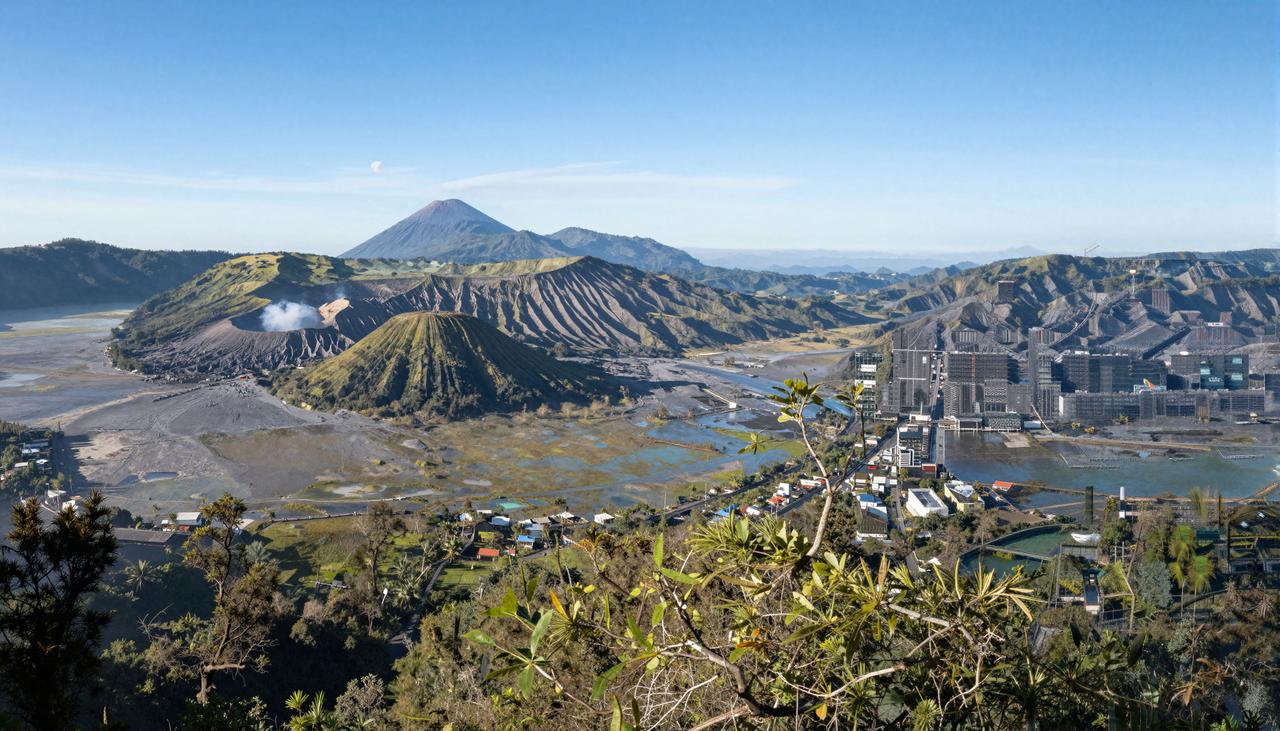
Outdoor Overview
Indonesia is a paradise for outdoor enthusiasts, boasting an abundance of natural landscapes. Here you’ll find volcanic ranges such as Mount Rinjani and Mount Merapi, Bali and Lombok bathed in turquoise waters, and tropical rainforests like the Toba region in Sumatra. The country offers a wide variety of outdoor activities, including mountain climbing, snorkeling, river rafting, and cycling.
The best time for outdoor adventures is from April to October, when the weather is clear and dry, ideal for exploring. However, be aware that Java and Bali enter their rainy season from November to March, so it’s best to avoid these months.
Overall, the difficulty level is moderate to high, making it suitable for travelers with some outdoor experience, though certain routes are also accessible to beginners with proper preparation. For those seeking a challenge, Indonesia is undoubtedly an outstanding choice.
Recommended Outdoor Routes
Route 1: Ubud–Tirta Empul Temple Hike, Bali (2 stars)
Distance/Duration: About 15 km, 6–8 hours
Difficulty: ★★☆☆☆ (Beginner)
Highlights: Traverse rice terraces, waterfalls, and ancient temples, immersing yourself in Bali’s pastoral beauty and rich religious culture.
Itinerary: Start early in Ubud and walk through traditional villages to Tirta Empul Temple, passing Tegallalang Rice Terraces and the Monkey Forest along the way. In the afternoon, participate in a purification ritual at the temple before returning to Ubud.
Rest Stops: Small shops and restaurants line the trail where you can buy water and light snacks.
Tips: Wear comfortable hiking shoes, bring sunscreen and a hat, and be mindful of local religious customs.
Route 2: Mount Rinjani Trek, Lombok (4 stars)
Distance/Duration: Approximately 30 km, 2 days and 1 night
Difficulty: ★★★★☆ (Advanced)
Highlights: Reach the summit for breathtaking views of Lake Segara Anak, set within the volcanic crater, and marvel at the dramatic landscape.
Itinerary: Begin in Sembalun Village at the base of Mount Rinjani, hike up on the first day, and ascend to the peak early the next morning. Descend in the afternoon, returning to either Cemara Putih or Selong.
Rest Stops: Simple campsites are available along the route; bring your own dry rations or purchase supplies in nearby villages.
Tips: Book a guide in advance, carry plenty of drinking water and warm clothing, as nighttime temperatures can drop significantly.
Route 3: Snorkeling in the Tubbataha Islands, North Sumatra (2 stars)
Distance/Duration: Around 30 km, half a day
Difficulty: ★★☆☆☆ (Beginner)
Highlights: One of the world’s top snorkeling destinations, teeming with marine life—perfect for photography enthusiasts.
Itinerary: Take a boat from Sibolga to the Tubbataha Islands, snorkel in the morning, and visit a local fishing village in the afternoon to learn about the area’s ecology and culture.
Rest Stops: Lunch and drinks are provided on board, but feel free to bring your own snacks.
Tips: Do not touch the coral or disturb the fish; use reef-safe sunscreen to protect the marine environment.
Detailed Outdoor Experiences
Hiking/Mountaineering: Mount Rinjani
Start/Finish: Sembalun Village → Lake Segara Anak
Elevation: 3,726 meters
Trail Conditions: Gravel paths, muddy sections, steep slopes, and rock scrambling
Time Required: About 18 hours (including rest breaks)
Mount Rinjani is one of Indonesia’s most famous trekking routes, typically completed over two days and one night. From the summit, you’ll enjoy stunning views of the crater lake below. It’s recommended to hike with a professional guide to ensure safety.
Water Activities: Manta Point Snorkeling, Lombok
Location: Gili Trawangan or Manta Point
Cost: Approximately $30–50 per person (equipment included)
Gear Needed: Snorkel masks, tubes, and flippers are provided; bring your own waterproof phone case if desired.
Lombok’s snorkeling spots are renowned for sightings of manta rays, especially at Manta Point, one of the world’s most popular sites. Aim to snorkel in the morning to avoid the midday heat.
Cycling/Driving Route: Island-Wide Bike Tour, Bali
Distance: About 200 km
Scenic Stops Along the Way: Ubud Palace, Tanah Lot Temple, Uluwatu Temple, Jimbaran Beach
Rental Info: Rent a scooter in Kuta or Ubud for around $30–50 per day
Cycling around Bali offers a unique way to connect with the island’s culture and scenery. Stick to 50–70 km per day to avoid exhaustion. Consider renting from local providers such as Bali Bike Rental or GoRide Bali.
Local Outdoor Clubs/Guides
- Bali Trekking Adventure: Offers guided treks to Mount Rinjani, hikes in Ubud, and more, with reasonable prices and extensive experience.
- Lombok Eco Tours: Focuses on sustainable tourism, recommending eco-friendly treks and snorkeling excursions on Lombok.
- Indonesia Adventure Club: Provides nationwide outdoor activity planning, including climbing, diving, and cycling.
Gear Checklist and Safety Tips
Essential Gear List
| Category | Items |
|---|---|
| Clothing | Quick-drying tops, sun-protective layers, hat, sunglasses, insect repellent |
| Equipment | Trekking poles, headlamp, backpack, waterproof bag, map |
| First Aid | Band-aids, antiseptic, anti-diarrheal medication, mosquito repellent |
| Food | High-energy snacks, energy bars, bottled water |
Local Emergency Contacts and Rescue Information
- Emergency Numbers: 113 (Police), 118 (Fire Department), 119 (Medical Services)
- International Medical Assistance: Contact Bali International Hospital (+62 361 287 2111)
- Insurance: Purchase travel insurance that covers medical expenses, accidents, and natural disasters, such as Allianz Travel Insurance or AXA Travel Insurance.
Weather Changes and Emergency Preparedness
Indonesia’s climate can be unpredictable, especially in mountainous areas, where sudden rain or temperature drops are common. Keep an eye on weather forecasts and carry waterproof gear and warm clothing. If severe weather strikes, seek shelter immediately and do not proceed.
Frequently Asked Questions and Tips
Fitness Requirements and Training Advice
- Mountaineering: Requires good cardiovascular health and strong leg muscles; start with aerobic exercises and weighted training beforehand.
- Snorkeling/Cycling: Less demanding physically, but maintaining basic fitness is still advisable.
Eco-Friendly Travel and Leave No Trace Principles
- Avoid littering and damaging the natural environment.
- Use eco-conscious products, such as biodegradable shampoo and non-toxic sunscreen.
- Respect local cultures and wildlife; do not disturb animals.
Handling Special Conditions Like High Altitude, Heat, or Cold
- Altitude Sickness: At high elevations (e.g., Mount Rinjani), symptoms like dizziness and nausea may occur. Drink plenty of water and avoid strenuous activity.
- Heat: The midday sun can be intense; protect yourself with sunscreen and limit exposure during peak hours.
- Cold: Nighttime temperatures in the mountains can plummet; pack warm layers.
FAQs
Q1: Do I need to book a guide in advance?
A: Yes, especially for mountain climbs or snorkeling tours. Reserve at least a week ahead to secure a qualified guide.
Q2: Do I need a visa to enter Indonesia?
A: Chinese citizens holding passports can enter Indonesia visa-free for up to 30 days, but make sure your passport is valid.
Q3: When is the best time to visit?
A: April to October is the ideal outdoor season; avoid the rainy months for more comfortable travel.
Q4: What forms of payment are accepted?
A: Cash (Indonesian rupiah) and credit cards are widely used. Some attractions also accept Alipay or WeChat Pay.
Q5: Should I buy travel insurance?
A: It’s highly recommended, particularly for high-risk activities, to cover medical emergencies and accidents.