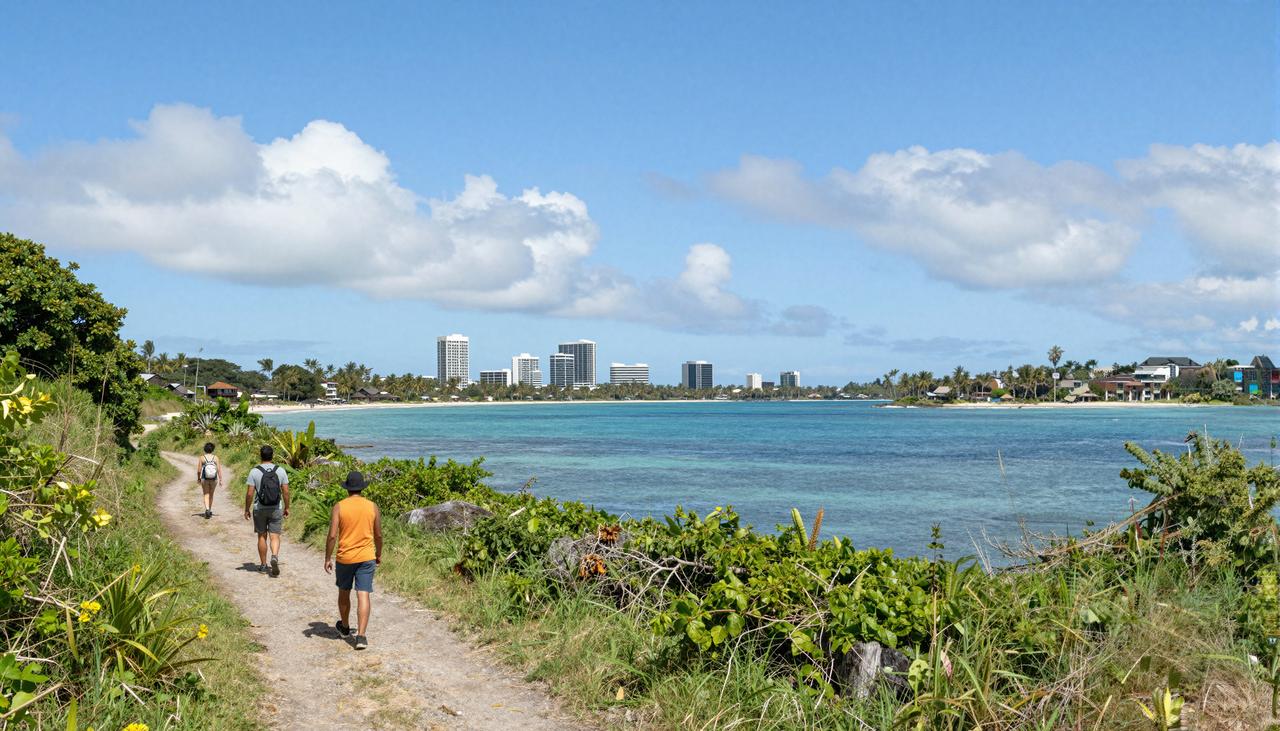
Outdoor Resources and Seasonal Windows
Located in the South Pacific, Fiji enjoys a warm, humid climate year-round. However, the best time for outdoor adventures is from May to October, when rainfall is minimal and the weather remains stable—ideal for hiking and water-based activities. From November to April is the rainy season, with occasional typhoon risks; routes demanding higher physical fitness should be chosen with caution.
Fiji’s diverse terrain—including volcanic landscapes, coral reefs, tropical rainforests, and coastal stretches—caters to all types of outdoor enthusiasts. Some hiking trails require moderate stamina, and certain sections lack fixed supply points, so it’s advisable to plan your supplies and route in advance.
Three Core Itineraries
Route 1: Taveuni Island Volcano Hike
- Distance: Approximately 12 km
- Elevation Gain: About 800 m
- Duration: 6–8 hours
- Difficulty: Moderate to challenging
- Supply Points: A basic refreshment station at the trailhead; no other supplies along the way—bring your own water and snacks.
This route winds through Taveuni Island’s lush rainforest, offering stunning views of waterfalls, volcanic craters, and abundant flora and fauna. Suitable for hikers with some experience, it’s best to set out early to avoid the midday heat.
Route 2: Vanuaqula Island Loop Hike
- Distance: Approximately 15 km
- Elevation Gain: About 500 m
- Duration: 5–7 hours
- Difficulty: Moderate
- Supply Points: Small villages along the way where you can purchase drinking water and light meals.
Circling Vanuaqula Island, this trail traverses pristine forests and dramatic coastlines, rewarding hikers with expansive vistas. Perfect for those who enjoy island-loop treks, be sure to carry plenty of water and sun protection.
Route 3: Lau Islands Sea Canoeing and Snorkeling
- Distance: Roughly 10 km (paddling)
- Duration: 4–6 hours
- Difficulty: Easy to moderate
- Supply Points: Food and water are provided on board; local fishermen offer simple meals at select snorkeling spots.
Ideal for first-time visitors to water activities, this itinerary lets you get up close to coral reefs and marine life, making it a great choice for families or beginners.
Daily Outdoor Itinerary
Day 1: Arrival in Suva, Acclimatization
- Arrive at Suva Airport in the morning and check into your hotel.
- In the afternoon, explore Suva’s markets to soak up local culture.
- Enjoy dinner at a city restaurant and rest up for the days ahead.
Day 2: Taveuni Island Volcano Hike
- Take an early-morning boat to Taveuni Island.
- Embark on the volcano hike in the morning, refilling water as needed.
- Return to Suva in the evening and unwind over dinner.
Day 3: Vanuaqula Island Loop Hike
- Depart for Vanuaqula Island by boat early in the day.
- Spend the entire day hiking the island loop, stopping to resupply in a village at noon.
- Return to Suva in the evening and enjoy some free time.
Day 4: Lau Islands Canoeing and Snorkeling
- Head out by boat to the Lau Islands in the morning.
- Paddle and snorkel, then return in the afternoon.
- End the day with a seafood feast in Suva.
Day 5: Nadi Area Hiking
- Fly to Nadi and begin a new hiking adventure.
- Explore the nearby tropical rainforests or coastal paths.
- Return to Suva in the evening.
Day 6: Inland Island Exploration
- Choose a remote island for a full-day expedition.
- Options include Masua Island or Tui Naru Island.
- Return to Suva in the evening to reflect on your journey.
Day 7: Leisure Before Departure
- Start the morning with beach relaxation or a quick city tour.
- Head to the airport in the afternoon to conclude your trip.
Gear and Safety
Layered Packing List
- Essentials: Waterproof backpack, hiking boots, sunscreen, hat, sunglasses, water bottle, headlamp.
- Hiking Gear: Map, compass, GPS device, first-aid kit, windproof jacket, warm layers.
- Water Activities: Snorkel mask, fins, waterproof bag, phone dry pouch.
Weather Contingency Plan
- In case of heavy rain or strong winds, seek shelter immediately and avoid staying near high elevations or bodies of water.
- Carry spare clothing and waterproof gear to stay dry.
Emergency Contacts
- Fiji emergency numbers: 119 (police), 112 (medical).
- Some islands may have no cell service; inform family members of your itinerary in advance.
Budget Breakdown + Risk-Avoidance Tips + FAQs
Budget Estimate (per person, in USD)
| Item | Cost |
|---|---|
| Flights | 500–800 |
| Accommodation (7 nights) | 300–500 |
| Transportation (inter-island ferries/rental car) | 200–400 |
| Meals | 150–250 |
| Hiking/Snorkeling Fees | 100–200 |
| Equipment Rental | 50–100 |
| Miscellaneous (insurance/souvenirs) | 50–100 |
| Total | 1,350–2,250 |
Risk-Avoidance Checklist
- Confirm Transport Arrangements: Inter-island travel can change unexpectedly; book and verify schedules well in advance.
- Monitor Weather Conditions: The rainy season brings unpredictable weather—be prepared for sudden shifts.
- Bring Sufficient Water: Many trails lack supply points; pack extra fluids.
- Respect Local Customs: Honor indigenous cultures and religious beliefs to avoid unnecessary conflicts.
- Purchase Travel Insurance: Unexpected medical expenses can be costly; secure coverage before departure.
- Book Guides Ahead: Some routes require professional guidance, especially in remote areas.
- Assess Physical Demands: Certain trails are physically demanding; not suitable for beginners.
- Practice Environmental Stewardship: Leave no trash behind and help preserve Fiji’s natural beauty.
FAQs
Q: Do I need a visa?
A: Chinese citizens holding a valid passport can enter Fiji visa-free for up to 30 days.
Q: What’s the best time for hiking?
A: May to October offers stable weather and ideal conditions for outdoor activities.
Q: Is it necessary to hire a guide?
A: For some trails, particularly those in remote or challenging terrain, hiring a local guide is recommended.
Q: Can I rent equipment on the islands?
A: Major islands have rental shops, but options may be limited; better to bring your own if possible.
Information Verification Recommendations
- Official Tourism Board: Fiji Tourism
- Attraction Websites: Tourist centers for each island (e.g., Taveuni, Lau Islands)
- Mapping Platforms: Google Maps, Fiji Map App
- Transportation Sites: Fiji Airways, local ferry operators (e.g., Cruise Fiji)