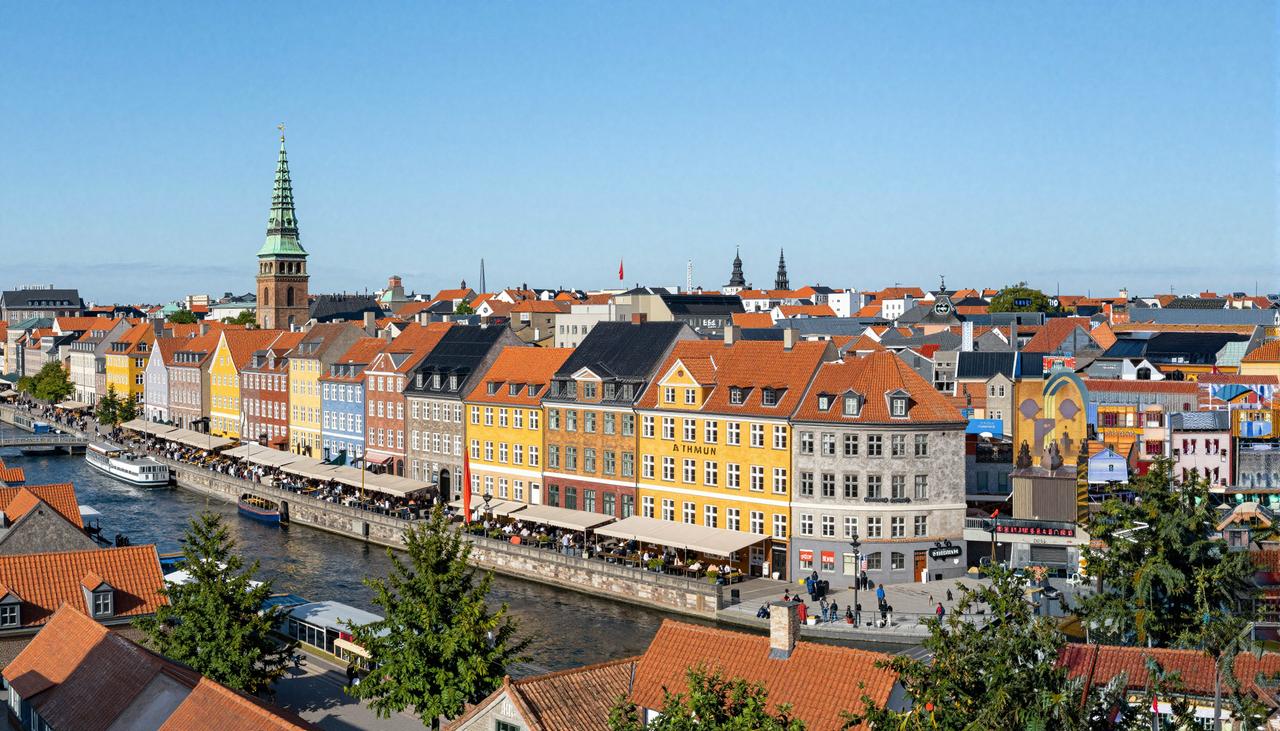
Shopping Overview
As one of the Nordic countries, Denmark is renowned for its high‑quality lifestyle and refined shopping experiences. Whether it’s Copenhagen’s modern fashion malls or Aarhus’s traditional markets, there’s something to suit every shopper. Danish shopping is characterized by its strong sense of design, superior quality, and a commitment to sustainability. Many iconic brands—such as HAY, Muuto, and Ganni—are homegrown, making them must‑visit choices for any shopaholic.
The best times to shop are typically during the summer months (June–August) and the winter season (November–December), especially around Christmas when major sales kick in and many brands offer deep discounts. The spring clearance season (April–May) is also an excellent opportunity to snag great deals. When shopping in Denmark, you can take advantage of the tax‑refund service: simply spend at least 250 Danish kroner (about €35) in a single transaction, make your purchase within three months before leaving the EU, and you’re eligible for a refund. Refund counters are usually located at airports or in large shopping centers; for example, Copenhagen Airport has a convenient counter right in the arrivals hall.
Must‑Visit Malls and Markets
Copenhagen’s Core Shopping Districts: Tivoli Shopping & Kastanjegade
Tivoli Shopping is one of Copenhagen’s most famous malls, situated in the city center just steps from the world‑renowned Tivoli Gardens. It brings together a mix of international giants like Zara, H&M, COS, and Massimo Dutti, alongside local designer labels such as Ganni and Samsøe & Samsøe. Opening hours are generally Monday to Saturday from 10:00 to 21:00, and Sundays from 11:00 to 19:00.
Kastanjegade is a charming pedestrian street with a distinctly bohemian vibe, perfect for discovering unique niche brands and handmade crafts. Its shops are mostly independent designers, offering affordable prices and a chance to find one‑of‑a‑kind Danish designs.
Aarhus’s Classic Shopping Areas: Vesterbro & Åbybro
Vesterbro is one of Aarhus’s most vibrant neighborhoods, packed with boutiques, cafés, and art galleries. It’s a favorite spot for young shoppers, with recommended stops like Nordic Market and Bogtand to explore locally crafted goods.
Åbybro is another key commercial district in Aarhus, conveniently located near the train station. Here you’ll find major supermarket chains such as Coop and Rema 1000, as well as local brand stores ideal for everyday essentials and souvenirs.
Flea Markets and Local Markets
Rådhuspladsen Market in Copenhagen is one of the city’s largest open‑air markets, held every Saturday morning. You’ll find second‑hand clothing, vintage furniture, and handmade items. Bargaining is possible, but remember to be polite and avoid pushing too hard.
Fælledmarken Market is more geared toward locals, featuring fresh produce and artisanal goods—perfect for sampling authentic Danish food.
Aarhus Ø is a trendy new market that draws creative vendors and local artists, making it a great place to hunt for unique crafts and design pieces.
Outlets and Duty‑Free Shops
Lægårdsholm Outlets, located on the outskirts of Copenhagen, is one of Denmark’s largest outlet centers, boasting over 100 brand stores including Nike, Adidas, Puma, and Hugo Boss. Prices are roughly 30%–50% lower than in the city center. Given its distance from downtown, it’s worth booking transportation in advance—bus route 47 provides direct service.
Jyske Bank Plaza in Helsingør is Denmark’s only duty‑free shop, ideal for purchasing perfumes, cosmetics, and alcoholic beverages without VAT, making it a great stop on your last day before departure.
Featured Product Recommendations
Must‑Buy List
| Product Name | Price Range | Recommended Purchase Locations | Tips for Spotting Authenticity |
|---|---|---|---|
| Danish Design Home Goods | DKK 500–1,500 | Tivoli Shopping, HAY Flagship Stores | Check packaging for branding and anti‑counterfeit labels |
| Ganni Women’s Apparel | DKK 1,000–2,000 | Ganni Official Website or Stores | Stick to officially authorized channels |
| Danish Design House Dinnerware | DKK 800–1,200 | HAY Flagship Stores | Verify the presence of a brand certificate |
| Nordic Minimalist Lighting | DKK 300–800 | Muuto Flagship Stores | Assess lighting quality and material finish |
| Treasure Box (Traditional Danish Wooden Box) | DKK 200–500 | Rådhuspladsen Market | Opt for handcrafted versions |
| Danish Rye Bread (Lindeberg) | DKK 20–40 | Coop Supermarkets | Choose organic certified varieties |
| American Maple Syrup | DKK 100–150 | Local Markets or Supermarkets | Pay attention to the production date |
| Danish Wool Scarf | DKK 300–600 | Samsøe & Samsøe Stores | Select pure wool options |
Souvenirs & Gifts
- Danish Chocolate (Carlsberg Chocolate): Perfect for friends and family, available at Carlsberg Stores for around DKK 50–80.
- Nordic Design Bookmarks or Notebooks: Found on Kastanjegade or at Nordic Market, priced at DKK 50–100.
- Danish Map Puzzle: Sold at the Copenhagen Tourist Information or museum shops—ideal for collectors.
- Small Danish Flag Ornaments: Widely available at markets and souvenir shops, costing DKK 20–50.
- Danish Beer (e.g., Carlsberg, Royal): Available at Jyske Bank Plaza or supermarkets, great for bringing home to enjoy.
Local Exclusives and Collaborations
Every Christmas season, brands like Ganni and HAY release limited‑edition apparel and home goods, available for a short time only and highly sought after by collectors. Meanwhile, the Royal Danish Post issues限量版明信片和邮票, appealing to stamp enthusiasts.
Practical Shopping Tips
Bargaining is generally not customary in Denmark, especially in formal malls and chain stores where prices are fixed. However, at flea markets or local bazaars, a friendly negotiation might be acceptable—just keep it respectful.
Most shops accept credit cards and mobile payments, though cash remains popular in smaller stores and markets. It’s wise to carry some cash for snacks or small purchases.
Regarding customs regulations, personal items valued under €1,000 are exempt from duties; anything above that threshold requires declaration. Prohibited items include live animals, perishable foods, and certain medications—check the customs website before you travel.
For returns, most brands offer a 30‑day no‑questions‑asked exchange policy, provided you keep your receipt and return the item in its original packaging. Brands like Ganni and HAY even support online returns, adding extra convenience.
Common Questions and Precautions
How to Avoid Scams and Counterfeits?
When shopping in Denmark, stick to official authorized retailers or flagship stores of well‑known brands, and steer clear of street stalls or unofficial markets for high‑value items. If a product seems suspect, ask to see proof of brand authorization.
Currency Conversion and Payment Tips?
The current exchange rate is approximately DKK 1 = €0.13. Consider exchanging a small amount of cash before you leave, or use Visa/MasterCard for card payments to avoid unfavorable exchange rates.
Shipping Guidelines?
If you need to send your purchases back home, PostNord offers international courier services with pricing based on weight and destination. Basic shipping starts around DKK 50–100; it’s best to book through their website or app.
FAQs
Q: Do I need to book in advance for shopping in Denmark?
A: Most malls don’t require reservations, but for limited editions or custom items, it’s advisable to contact the retailer beforehand.
Q: Can I get a tax refund immediately after shopping?
A: No, refunds must be processed at the airport or designated refund points within three months of departure, and you’ll need your original receipt.
Q: What local specialties are worth buying in Denmark?
A: In addition to the chocolate and wool products mentioned above, Danish honey, rye bread, and Arctic‑light themed accessories are all excellent choices.