Destination Overview
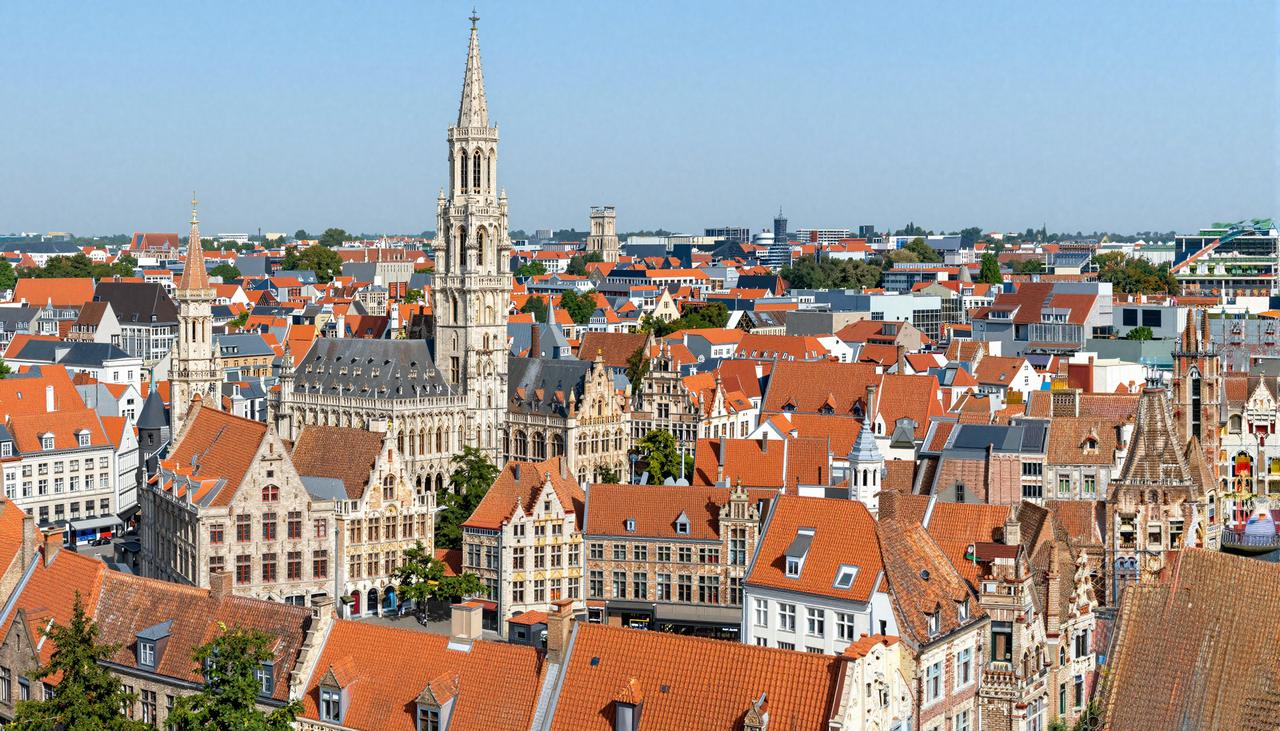
Belgium is a small country in Western Europe, boasting a rich cultural heritage and distinctive urban landscapes. The capital, Brussels, is home to the European Union headquarters and serves as a vibrant crossroads of politics and culture. Bruges, known as the “Venice of the North,” captivates visitors with its well-preserved medieval architecture and picturesque canals, while Ghent exudes an artistic flair, offering a wealth of history and stunning churches.
The best time to visit is during the spring and autumn seasons (March–May, September–November), when the weather is mild and crowds are relatively light—perfect for sightseeing. A four-day itinerary will allow you to explore Brussels, Bruges, and Ghent, the three must-see cities.
In terms of budget, expect to spend roughly €80–120 per day on a budget trip, €150–200 for a more comfortable stay, and upwards of €300 for a luxurious experience. Before you go, make sure to obtain a Schengen visa (apply 1–2 months in advance), purchase a local SIM card (such as Orange or BASE), and download essential apps like Google Maps, TripIt, and Google Translate.
Daily Itinerary
Day 1: Brussels – Exploring the Heart of Europe
Morning: Grand Place
Admission: Free
Duration: 1.5 hours
Highlights: As Brussels’ iconic square, the Grand Place is framed by magnificent Baroque buildings, including the City Hall and the King’s House. Don’t miss the Manneken Pis, the city’s beloved statue and a symbol of local culture.
Lunch: Le Friterie du Marché aux Moutons
Recommended Restaurant: Le Friterie du Marché aux Moutons
Signature Dish: Belgian fries with garlic aioli
Average Cost: Around €10
This old-town friterie is renowned for its traditional preparation—crispy on the outside, tender on the inside—served with homemade sauces that elevate the classic dish.
Afternoon: Atomium
Getting There: Take metro line 1 to Schaerbeek station, then walk 10 minutes
Tip: Book tickets online in advance to skip the lines
Highlights: Built for the 1958 World’s Fair, the Atomium is one of Brussels’ most recognizable modern landmarks. Inside, exhibitions and an observation deck offer panoramic views of the city.
Evening: Nighttime at Laeken Royal Park
Suggested Activity: Stroll through the royal park and soak up the serene atmosphere as the palace lights twinkle in the dark.
Travel Tips
- Keep your belongings secure in Brussels’ busy city center.
- Atomium admission is about €15; purchasing tickets ahead of time is advisable.
Day 2: Bruges – A Romantic Escape in the Venice of the North
Morning: Market Square
Admission: Free
Duration: 1 hour
Highlights: The heart of Bruges, surrounded by Gothic structures such as the Basilica of the Holy Blood and the Town Hall.
Lunch: Café Lakenhal
Recommended Restaurant: Café Lakenhal
Signature Dish: Belgian beef stew (Carbonade Flamande)
Average Cost: Approximately €20
Located near the Market Square, this historic eatery serves authentic Belgian cuisine in an elegant setting.
Afternoon: Canal Cruise in Bruges
Getting There: Board a boat from a pier near the Market Square
Tip: Opt for an afternoon slot to avoid peak crowds
Highlights: Glide along winding canals, admiring centuries-old buildings and charming bridges, and savor the magic of “Venice of the North.”
Evening: Bruges Night Market
Suggested Activity: Sample local treats like fried onion rings, chocolate, and beer while soaking up the lively festival vibe.
Travel Tips
- Bruges’ streets are narrow and often hilly, so wear comfortable shoes.
- Canal cruise tickets typically cost €10–15; book online in advance.
Day 3: Ghent – The Artistic Soul of a Slow City
Morning: St. Bavo’s Cathedral
Admission: €6 for adults, €3 for students
Duration: 1 hour
Highlights: This Gothic cathedral houses the famous “Adoration of the Mystic Lamb” by the Van Eyck brothers, a must-see for art enthusiasts.
Lunch: De Drie Gezusters
Recommended Restaurant: De Drie Gezusters
Signature Dish: Belgian chicken stew (Knikkerstoofvlees)
Average Cost: Around €15
A cozy family-run eatery, it offers hearty, authentic dishes at reasonable prices.
Afternoon: Museum of Fine Arts, Ghent
Getting There: Walk 10 minutes or take bus line 10
Tip: Check opening hours in advance; the museum may be closed on weekends
Highlights: With a rich collection—including Jan van Eyck’s “The Arnolfini Portrait”—this museum is a treasure trove for art lovers.
Evening: Nighttime Along the Ghent Canals
Suggested Activity: Wander along the water, marveling at the soft glow of lights reflected on the surface, and experiencing the city’s tranquil ambiance.
Travel Tips
- Many of Ghent’s museums require reservations, especially for popular exhibits.
- Numerous bars and cafés provide perfect spots for an evening drink.
Day 4: Preparing for Departure and Shopping
Morning: Shopping at Brussels Airport
Recommended Spots: Duty-free shops and branded stores within the airport
Highlights: Pick up Belgian chocolates, beers, artisanal crafts, and other souvenirs.
Lunch: Airport Restaurant
Recommended Restaurant: L'Éclair in Terminal 1
Signature Dishes: Belgian sandwiches and salads
Average Cost: About €15
Afternoon: Final Preparations
Getting There: Take the metro or a taxi to the airport based on your flight schedule
Tip: Arrive two hours early to allow ample time for check-in.
Travel Tips
- Brussels Airport features multiple shopping areas, ideal for last-minute gift-buying.
- If time permits, enjoy a Belgian beer at the airport as a fitting farewell.
Accommodation Recommendations
Budget: Hotel Ibis Brussels City Centre
Address: Rue des Sables 11, 1000 Brussels
Price: Around €70 per night
Why Stay Here: Centrally located near metro stations, it offers convenient transport and excellent value for money.
Comfort: Hotel Leopold
Address: Rue de la Loi 22, 1000 Brussels
Price: Approximately €150 per night
Why Stay Here: Situated in Brussels’ heart, this modern, well-appointed hotel provides attentive service, making it a great choice for travelers seeking quality.
Luxury: The Capital Hotel & Spa
Address: Rue d'Arenberg 3, 1000 Brussels
Price: From €300 per night
Why Stay Here: Located in a prime area, this upscale property boasts lavish amenities and a private spa, perfect for those craving a truly indulgent experience.
Best Neighborhoods: Central Brussels (Ixelles or Saint-Gilles) suits most visitors, with easy access to transport and a wealth of dining options.
Booking Platforms: Hotels can be reserved through Booking.com, Airbnb, Agoda, and others; booking 2–3 weeks in advance ensures better rates.
Transportation Guide
Getting to Belgium
By Air: Numerous international flights land directly at Brussels Airport (Zaventem), with direct routes from Chinese cities like Beijing, Shanghai, and Guangzhou.
By Train: High-speed trains connect Brussels with Paris, Amsterdam, Cologne, and other major hubs, with journeys lasting just 1–2 hours.
By Bus: Budget-friendly options include Flixbus and Eurolines.
Getting Around Brussels
Metro: Brussels’ extensive metro network covers the city and surrounding areas, with single fares around €2.50.
Bus: Ideal for shorter trips, with fares matching those of the metro.
Taxi: Ride-hailing services like Uber and Bolt are widely available, convenient for late-night travel or when carrying luggage.
Car Rental: Consider renting a car if you plan to explore nearby towns like Bruges or Ghent, though driving within Brussels can be challenging.
Purchasing Tickets
Single Tickets: Available at metro station ticket machines or via mobile apps like Moovit.
Day Passes: Perfect for frequent travelers, priced at around €10 per person.
Tourist Cards: Such as the Brussels Card, which includes public transport and discounts on attractions, ideal for multi-day visits.
Practical Tips and FAQs
Local Currency and Payment
Belgium uses the euro (EUR). Most businesses accept credit cards (mainly Visa and MasterCard), but smaller shops may only take cash.
Tipping Etiquette
A tip of 10%–15% is customary after dining out, though some restaurants already include a service charge—check the menu for details.
Safety Reminders
Belgium is generally safe, but beware of pickpockets in crowded tourist areas, particularly on the metro and at train stations.
Emergency Contacts
Police: 101
Ambulance: 112
Tourist Information: +32 2 501 23 45 (Brussels Tourist Office)
Frequently Asked Questions
Q1: Do I need to book attractions in advance?
A: For popular sites like the Atomium or the Museum of Fine Arts, advance reservations are recommended to avoid long queues.
Q2: What should I try in Belgian cuisine?
A: Belgium is famous for its chocolate, beer, fries, and stews—sampling these local specialties is a must.
Q3: Should I exchange currency before arriving?
A: It’s best to exchange euros in advance at banks or airports to avoid unfavorable exchange rates.
Q4: Will language be a barrier?
A: Belgium’s official languages are Dutch, French, and German, but English is widely spoken in tourist areas and should suffice for everyday communication.
Q5: Is it feasible to explore these cities on foot?
A: Yes, Brussels, Bruges, and Ghent are all highly walkable, especially for sightseeing. However, some attractions are farther apart, so using public transport is often helpful.