Outdoor Overview
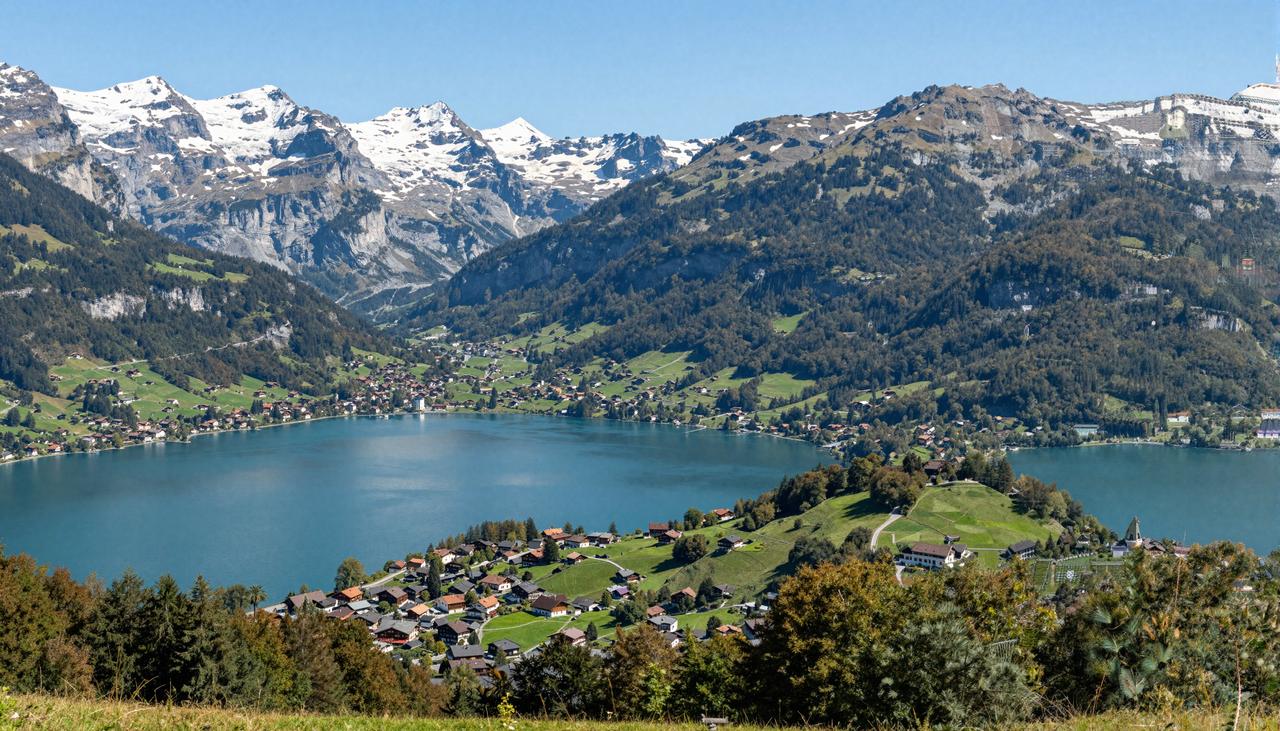
Switzerland is a paradise for outdoor enthusiasts in Europe, with the Alps at its heart. It boasts majestic peaks, crystal-clear lakes, lush forests, and vast alpine meadows. Whether you’re into hiking, mountaineering, cycling, or water sports, there’s something here to suit every skill level.
The best seasons for outdoor activities are summer (June to August) and autumn (September to October), when the weather is sunny and the temperatures are just right—perfect for enjoying the great outdoors. Winter is primarily for skiing, but if you prefer hiking, it’s best to avoid the snow season.
Overall, the difficulty level is moderate to challenging, making it ideal for those with some outdoor experience. Beginners can stick to easy trails, while seasoned adventurers can tackle high-altitude peaks or long-distance hikes. Whether you’re traveling with family, as a couple, or on a solo expedition, Switzerland offers a wealth of options to suit all tastes.
Unique Features of Switzerland’s Outdoor Scene
Switzerland’s outdoor offerings are incredibly diverse, with the Alps as the crown jewel. Iconic spots include Jungfrau, the Matterhorn, and the Glacier Express route. Meanwhile, lakes such as Lake Geneva, Lake Lucerne, and Lake Constance provide prime venues for water-based activities. Forested regions like the Bernese Oberland and Valais offer an abundance of hiking and cycling trails.
Optimal Seasons and Weather Conditions
June to August is the golden period for outdoor adventures in Switzerland, with daytime temperatures averaging 20–25°C and cooler evenings calling for a light jacket. From September to October, the weather remains mild and crowds thin, making it a perfect time for travelers who prefer quieter settings.
Difficulty Levels and Ideal Travelers
Swiss outdoor routes cater to all abilities, ranging from leisurely lakeside strolls to demanding high-mountain climbs. Novices can opt for short hikes or bike rides, while more experienced adventurers might take on classics like the Jungfrau Panorama Trail or the Lötschberg Pass Traverse.
Recommended Outdoor Routes
Route 1: Jungfrau Panorama Trail (Interlaken to Grindelwald)
Distance/Duration: Approximately 30 km, 2 days
Difficulty: ★★★☆☆ (3 stars)
Highlights: Alpine vistas,高山草甸, cable-car experiences
Getting There: Take a train from Interlaken to Grindelwald; along the way, hop on a cable car to reach the summit.
Itinerary
- Day 1: Depart Interlaken, ride the train to Grindelwald, then hike to Mannlichen to enjoy panoramic views of the Jungfrau.
- Day 2: Hike from Mannlichen to Eggishorn, then return to Grindelwald via cable car.
Rest Stops
There are several huts and restaurants along the trail; grab a quick bite and drink at Mannlichen and Eggishorn.
Tips
This route climbs to high altitudes, so stay warm—bring a windproof jacket and a water bottle. Some sections involve scrambling, so sturdy, non-slip shoes are a must.
Route 2: Lake Lucerne Loop (Lucerne to Meggen)
Distance/Duration: About 15 km, one day
Difficulty: ★★☆☆☆ (2 stars)
Highlights: Lakeside scenery, charming towns, cultural landmarks
Getting There: Walk from Lucerne Train Station to the starting point, or take a bus to the finish.
Itinerary
- Morning: Start in Lucerne’s Old Town and follow the lakeshore toward Sempachersee.
- Afternoon: Continue toward Meggen, stopping to explore the Luzerner Kulturzentrum along the way.
Rest Stops
Numerous cafés and eateries line the path; be sure to try local cheese fondue and Swiss chocolate.
Tips
This route is relatively flat and well-suited to families and beginners. Wear comfortable shoes and bring plenty of water.
Route 3: Glacier Express Journey (Zermatt to St. Moritz)
Distance/Duration: Roughly 270 km, about 5 hours
Difficulty: ★☆☆☆☆ (1 star)
Highlights: Snow-capped peaks, dramatic gorges, scenic rail travel
Getting There: Board the Glacier Express in Zermatt and let the train do the work as it winds through the Alps to St. Moritz.
Itinerary
- All Day: Depart Zermatt, traverse the Alpine ridges, and marvel at the Matterhorn and glaciers along the way.
- Lunch: Enjoy meals served onboard, or step off at stops like Zermatt or Davos to dine out.
Rest Stops
A restaurant car provides food and drinks during the journey, and snacks and beverages are available at stations like Zermatt and Davos.
Tips
No hiking required—this is a fantastic option for those who want to soak up the scenery without breaking a sweat. Book your ticket in advance and set aside plenty of time for the trip.
Hands-On Outdoor Experiences
Hiking/Mountaineering: Jungfrau Panorama Trail
Start/Finish: Interlaken → Grindelwald
Altitude: Up to 2,300 meters
Trail Surface: Paved paths, grassy slopes, and steep sections
Time Required: 2 days
This is one of my favorite hikes, especially in the early morning when sunlight bathes the Jungfrau in golden light—a sight that takes your breath away. I highly recommend pausing at the Mannlichen summit, where the views are simply stunning and perfect for snapping unforgettable photos. Bring plenty of water and energy bars, as supplies along the way are limited.
Water Activities: Lake Geneva Kayaking
Location: Lake Geneva
Cost: Around CHF 50 per hour (boat rental)
Gear Needed: Life jackets are essential; consider renting a professional kayak.
Lake Geneva, Switzerland’s largest lake, is renowned for its crystal-clear waters—ideal for kayaking. Near Lausanne, I rented a tandem kayak and glided along the shoreline, feeling the gentle breeze on my face. It’s a wonderfully relaxing experience. Be sure to book your boat in advance, especially during peak season.
Cycling/Driving: Zurich to Lucerne
Distance: Approximately 100 km
Scenic Highlights Along the Way: Lake Zurich, Ammersee, Lake Lucerne
Car Rental Info: Renting a car at Zurich Airport costs about CHF 60 per day.
This route is perfect for road-trip lovers. I once drove south from Zurich along Lake Zurich, passed through Ammersee, and ended up in Lucerne. The scenery is picture-perfect—just keep your camera handy. Use a navigation app to stay on track and avoid getting lost.
Local Outdoor Clubs & Guides
- Swiss Mountain Guides: Offers expert mountaineering and hiking instruction; contact +41 31 863 23 23
- Lake Geneva Kayaking School: Provides kayaking lessons; address: Chemin de la Pâle, 1004 Lausanne
- Bike Rental Zurich: Rent bikes at Bahnhofstrasse 10, 8001 Zürich
Packing List & Safety Guidelines
Essential Gear Checklist
| Category | Recommended Items |
|---|---|
| Clothing | Waterproof jacket, quick-drying layers, thermal underwear, trekking pants, hiking boots |
| Equipment | Trekking poles, headlamp, backpack, water bottle, map |
| First Aid | Band-aids, pain relievers, sunscreen, insect repellent |
| Food | Energy bars, nuts, dehydrated snacks, chocolate |
Emergency Contacts & Rescue Information
- Emergency Phone: 117 (national emergency number in Switzerland)
- Mountain Rescue: Swiss Mountain Rescue (1414)
- Medical Centers: Public hospitals are available in every city, such as Zurich University Hospital.
Weather Changes & Contingency Plans
Swiss weather can be unpredictable, so check the forecast daily. In case of heavy rain or strong winds, seek shelter immediately and avoid staying near valleys or cliff edges.
Insurance Recommendations
It’s wise to purchase international travel insurance that covers medical expenses, accidents, and emergency rescue. Popular providers include Allianz Travel and World Nomads, with premiums around CHF 50–100 per week.
FAQs & Insider Tips
Fitness Requirements & Training Advice
- Hiking Routes: Begin a 3–4 week aerobic training program—running, cycling, or stair climbing works well.
- Mountaineering Routes: Strong endurance and leg strength are crucial; try carrying a weighted pack while walking.
Eco-Friendly Travel & Leave No Trace Principles
- Leave No Trace: Don’t leave trash behind, don’t damage vegetation, and respect wildlife.
- Sustainable Practices: Use a reusable water bottle and avoid single-use plastics.
Handling Special Situations
- Altitude Sickness: If heading to high elevations (e.g., Jungfrau), you may experience mild altitude discomfort; acclimatize beforehand.
- Cold Weather: In winter, pack warm clothing to prevent frostbite.
- Hot Weather: During summer, protect yourself from the sun and stay hydrated to avoid heatstroke.
Frequently Asked Questions
Q1: Do I need a visa to visit Switzerland?
A: Chinese citizens holding ordinary passports must apply for a Schengen visa before arrival. Apply well in advance.
Q2: Do I need to book outdoor activities in advance?
A: Some premium experiences (like guided climbs) require reservations. Check with official websites or travel agencies ahead of time.
Q3: Is public transportation reliable in Switzerland?
A: Yes—the Swiss public transit system is excellent. Consider purchasing a Swiss Travel Pass for hassle-free travel.
Q4: Are there kid-friendly outdoor options?
A: Absolutely! Family-friendly choices include the Lake Lucerne loop and the Glacier Express.
Q5: What are the typical costs for outdoor activities in Switzerland?
A: Basic trails are affordable, but premium activities like guided climbs or kayaking can run into hundreds of Swiss francs. Plan your budget accordingly.