Translate the following tourism introduction into English, maintaining a travel-editorial style:
Outdoor Overview
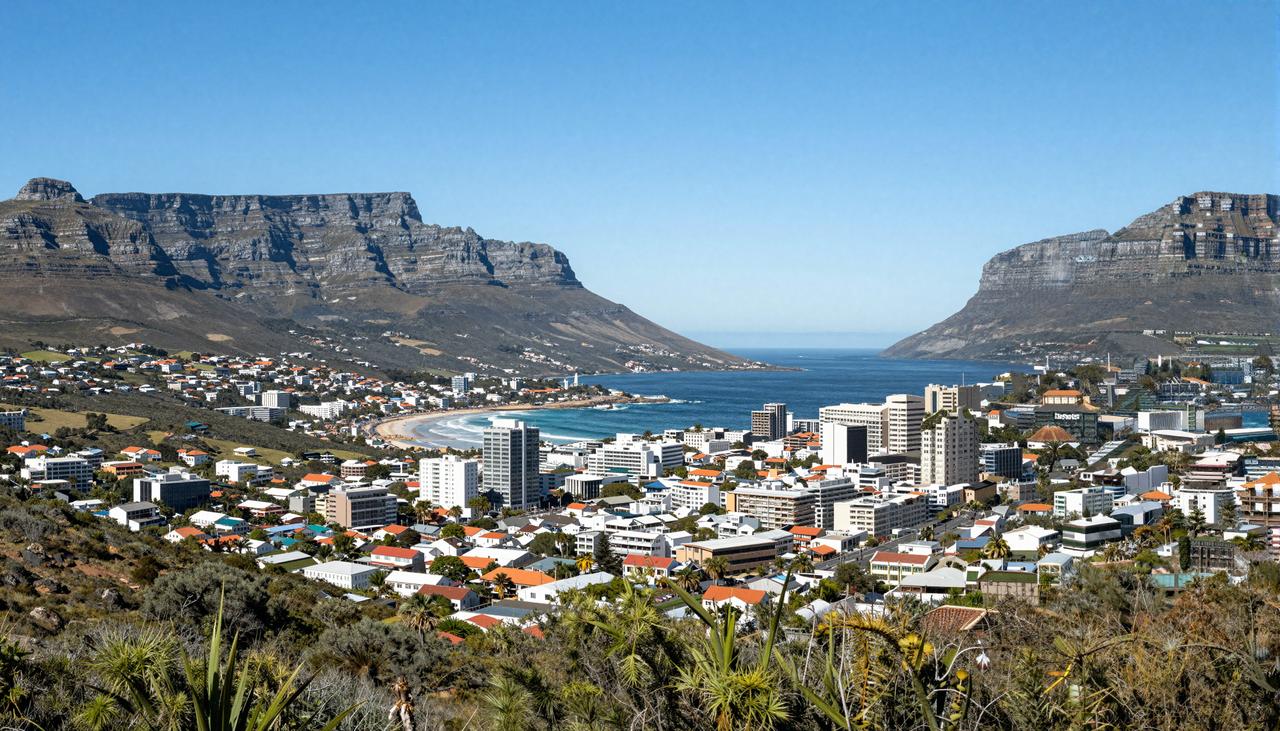
As one of Africa’s most captivating outdoor destinations, South Africa boasts a diverse array of landscapes—mountains, oceans, lakes, forests, and deserts—offering outdoor enthusiasts a wealth of options.
Natural Resource Highlights
South Africa’s most renowned outdoor attractions include: the Cape Peninsula coastline, the hiking trails of Table Mountain, the Cape of Good Hope Nature Reserve, the vineyards of Swartland, and the arid regions of the Western Cape. Additionally, Kruger National Park, though not part of this itinerary, remains a popular destination for outdoor adventures in South Africa.
Best Seasons and Weather
The ideal time for outdoor activities in South Africa runs from autumn to early winter (March to October), when the weather is mild and rainfall is minimal, making it perfect for hiking and camping. Take Cape Town and the Western Cape as examples: summers (December to February) are hot and dry, while winters (June to August) are cool and rainy, so be sure to tailor your plans to the specific activity.
Difficulty Levels and Suitable Travelers
Outdoor activities in South Africa range from easy coastal strolls to challenging mountain treks. They cater to a wide audience, including families, couples, solo adventurers, and seasoned climbers. Some routes require advance booking of guides or specialized gear, so choose according to your fitness level and experience.
Recommended Outdoor Itineraries
Itinerary 1: Cape Town City to Table Mountain via Cable Car and Hike (1 Day)
Distance/Duration: Approximately 15 km, 4–5 hours (including cable car time)
Difficulty: ★★★☆☆ (3 out of 5 stars)
Highlights: A seamless blend of city and nature, with panoramic views of Cape Town
Itinerary Details
- Morning: Take a bus or taxi from downtown Cape Town to the Table Mountain Cableway (19 Long Street, Cape Town).
- Noon: Ride the cable car to the summit, then hike along Platberg Road to the peak (1,086 meters above sea level), taking in views of the Cape Peninsula and the Atlantic coast.
- Afternoon: Enjoy lunch at the top, then choose to descend on foot or by cable car.
Supplies
- There are restaurants and kiosks at the summit offering light meals and beverages.
- Bring your own water and energy bars.
Tips
- Book cable car tickets in advance; prices are around R270 per person (about RMB 150).
- Weather can change rapidly, so pack a lightweight jacket.
Itinerary 2: Cape of Good Hope Nature Reserve Loop (1 Day)
Distance/Duration: Approximately 30 km, 6–7 hours
Difficulty: ★★★★☆ (4 out of 5 stars)
Highlights: One of the world’s oldest nature reserves, teeming with wildlife
Itinerary Details
- Morning: Drive or hire a car from Cape Town to the Cape of Good Hope Nature Reserve (Cape Peninsula).
- Morning: Hike along the reserve’s main trails, such as the Lion’s Head Trail, spotting seals, penguins, and various bird species along the way.
- Noon: Pause for a picnic at one of the reserve’s designated areas.
- Afternoon: Continue exploring more remote paths, like the Hottentots Holland Mountains region.
Supplies
- The reserve has several small supply stations, but it’s best to bring your own food and water.
- Pick up additional provisions in nearby towns like Noordhoek.
Tips
- You’ll need a vehicle to enter the reserve; a sturdy SUV is recommended.
- Some sections may be muddy, so wear non-slip shoes.
Itinerary 3: Wine Country Cycling in the Western Cape (1 Day)
Distance/Duration: Approximately 50 km, 5–6 hours
Difficulty: ★★☆☆☆ (2 out of 5 stars)
Highlights: Scenic routes perfect for leisurely cycling
Itinerary Details
- Morning: Depart from Cape Town and head to Stellenbosch or Franschhoek by car.
- Morning: Pedal through vineyards and country lanes, stopping at wineries along the way.
- Noon: Enjoy lunch and wine-tasting at a local estate.
- Afternoon: Continue cycling back or return by car.
Supplies
- Numerous wineries along the route offer dining options.
- Bring your own water and snacks.
Tips
- Rent a bicycle; costs range from R150 to R250 per day.
- Opt for shaded routes whenever possible.
Hands-On Outdoor Experiences
Hiking: Climbing Table Mountain’s Main Peak
- Start/Finish: Table Mountain Cableway → Table Mountain’s Main Peak (1,086 meters)
- Trail Conditions: Paved paths, rocky steps, with some steep sections
- Time Required: About 2.5–3 hours (one way)
Personal Experience: I hiked up Platberg Road to the summit; sunlight bathed Table Mountain, and the sweeping views were truly breathtaking. Start early to avoid the midday heat.
Water Activities: Snorkeling in False Bay
- Location: Waters near Kirstenbosch Botanical Garden
- Cost: Around R500 per person (including equipment rental)
- Gear Needed: Swimsuit, waterproof bag, snorkel mask, and breathing tube
Recommended Activity: Snorkel in False Bay to see schools of fish and lush kelp forests—perfect for first-time snorkelers.
Driving Route: Cape Peninsula Loop
- Distance: Approximately 130 km
- Scenic Stops Along the Way: Lion’s Head, Signal Hill, the Cape of Good Hope, and the Twelve Apostles
- Car Rental Info: Rent a vehicle at Cape Town Airport or downtown; an SUV is ideal, priced at R600–R1,000 per day.
Suggested Route: Start in Cape Town, head east on N2 Highway, pass Hermanus and Wynberg, and finish at the Cape of Good Hope.
Local Outdoor Club Recommendations
| Name | Address | Activities | Price |
|---|---|---|---|
| Cape Town Hiking Club | 11 Long Street, Cape Town | Mountain hiking | R200 per person |
| Wild Coast Safaris | 141 Main Road, Hermanus | Marine expeditions | R1,200 per person |
| Bike South Africa | 23 Victoria Road, Stellenbosch | Bicycle rentals | R150 per day |
Gear Checklist and Safety Guidelines
Essential Packing List
- Clothing: Quick-drying tops, sun hat, sunglasses, lightweight jacket
- Equipment: Trekking poles, backpack, water bottle, headlamp, map
- First Aid: Band-aids, pain relievers, antihistamines, insect repellent
- Food: Energy bars, nuts, dehydrated snacks, bottled water
Emergency Contacts and Rescue Information
- Emergency Phone: 10177 (South Africa’s national emergency number)
- Medical Centers: Cape Town City Hospital
- Rescue Services: Contact professional rescue teams through outdoor clubs or local tour operators
Weather Changes and Contingency Plans
South Africa’s weather can shift quickly, especially in mountainous and coastal areas. Keep an eye on forecasts and carry rain gear and warm layers. If conditions turn恶劣, seek shelter immediately and avoid traveling alone.
Insurance Recommendations
Purchase comprehensive international travel insurance that covers accidental injury, medical evacuation, and property loss, especially for high-risk activities like climbing or diving. Options are available from local insurers such as Sanlam or Discovery, or online platforms like WorldNomads.
FAQs and Insider Tips
Fitness Requirements and Training Advice
- Most outdoor activities require only basic physical fitness, but mountain climbs and long-distance hikes demand endurance.
- Begin aerobic exercises (jogging, cycling) 1–2 weeks in advance to build stamina.
Eco-Friendly Travel and Leave No Trace Principles
- Follow the “Leave No Trace” ethos: don’t litter, and leave wildlife undisturbed.
- Use reusable water bottles and utensils to minimize single-use plastics.
Handling Special Situations
- Altitude Sickness: Most of South Africa sits at low elevations, so severe altitude issues are rare, but still pay attention to how you feel.
- Heat Management: In summer, stay hydrated, wear sunscreen, and avoid prolonged exposure at midday.
- Cold Protection: In winter, pack warm clothing, particularly for nighttime camping.
Frequently Asked Questions
Q: Do I need to book a guide in advance?
A: Yes, for certain specialized activities—such as climbing or rafting—reserving a professional guide ensures your safety.
Q: Can I use credit cards in South Africa?
A: Most businesses accept credit cards, but cash is often preferred in remote areas.
Q: Do I need a visa?
A: Chinese citizens holding ordinary passports can enter South Africa visa-free for up to 90 days, but always check the latest entry requirements.
Q: How safe is South Africa?
A: Tourist areas are generally secure, but stay vigilant about your belongings and avoid walking alone late at night.
Q: What souvenirs should I buy?
A: South African handicrafts, wines, teas, and leather goods make excellent keepsakes; shop in town centers or at local wineries.