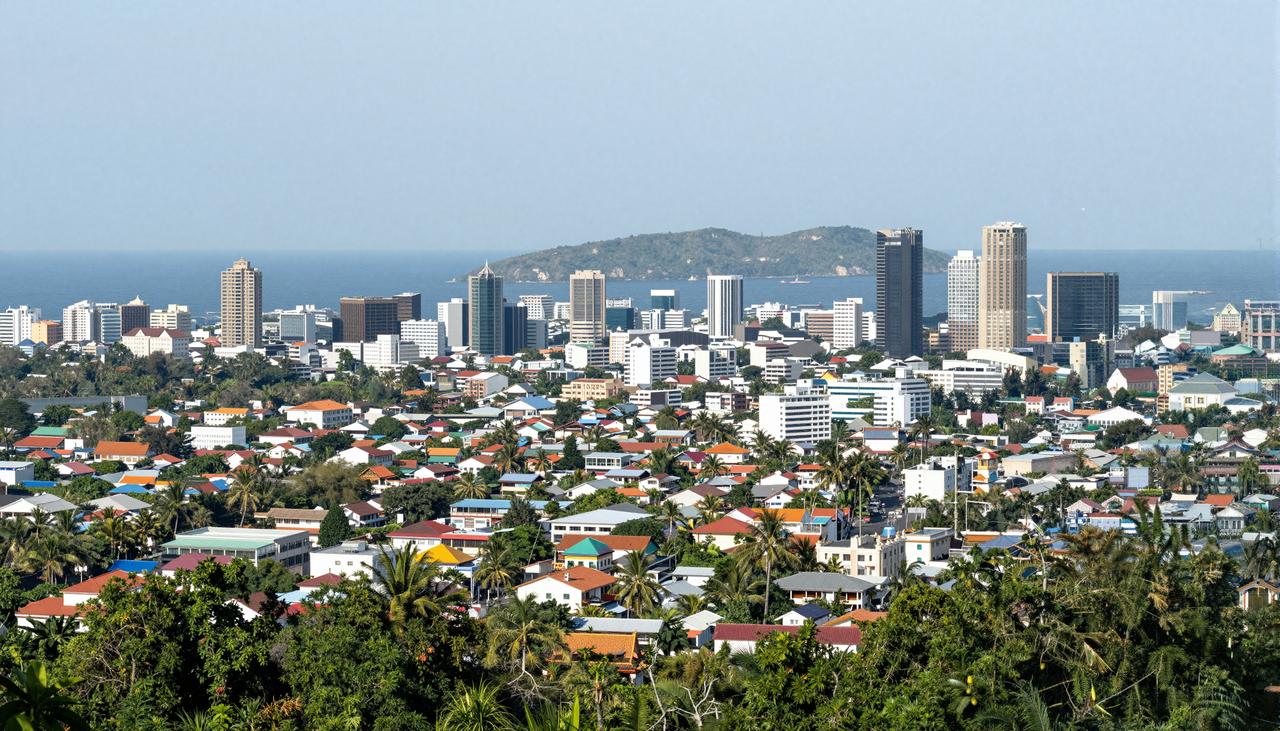
Phuket, the tropical gem nestled in southern Thailand, is renowned not only for its azure seas and endless skies but also for its rich cultural heritage. For travelers eager to delve deeper into Thai culture, this island offers an exceptional gateway. Below is a four-day cultural travel itinerary that combines must-see historical landmarks, traditional activities, hands-on craft experiences, and practical etiquette tips, helping you truly “see” another side of Phuket.
Day 1: Exploring Phuket’s Religion and History
1. The Big Buddha of Phuket As the tallest Buddhist statue on the island, the Big Buddha is one of Phuket’s most iconic cultural symbols. Perched high above, it commands sweeping views of downtown Phuket and the Andaman Sea. This site provides invaluable insight into Thai Buddhist traditions and serves as a perfect backdrop for memorable photos.
2. Wat Chalong Located in the heart of Phuket Town, Wat Chalong is among the island’s oldest and most revered temples. Its intricate carvings and vivid murals depicting Buddhist tales offer a fascinating glimpse into traditional Thai architecture and art. Visit early in the morning or late in the afternoon to avoid the midday heat and soak up the serene atmosphere.
3. Phuket Marine National Park While primarily celebrated for its natural beauty, the park’s islands and underwater ecosystems also reflect the time-honored way of life of local fishermen. Take a boat tour to explore vibrant coral reefs and marine life up close, gaining a deeper appreciation for the community’s deep respect for nature.
4. Old Phuket Town This historic district boasts a charming collection of early-20th-century colonial buildings, their pastel-hued facades and winding streets brimming with history. Wander through its lively lanes, discovering local artisan shops and cozy cafés, and savor the laid-back rhythm of Phuket life.
Day 2: Immersing in Traditional Culture and Festivals
5. Phang Nga Weekend Market Though situated just outside Phuket—about a two-hour drive away—the Phang Nga Weekend Market is an ideal spot to experience authentic Thai culture. Boasting an abundance of handmade crafts, traditional clothing, spices, and street food, it’s perfect for picking up souvenirs or sampling regional delicacies.
6. Songkran Festival in Phuket If your visit aligns with April, be sure to join the local Songkran celebrations, Thailand’s vibrant New Year festival. Known for joyful water-splashing rituals, it’s a lively and unforgettable way to connect with the spirit of Thai hospitality. Don’t miss this unique opportunity if you’re in Phuket during this time.
7. Traditional Thai Dance Performances Many hotels and tourist centers regularly host performances of classical Thai dance forms such as Khon (masked drama) or Lakhon (court dance). These captivating shows blend music, movement, and storytelling to showcase the essence of Thai culture. Check schedules in advance to ensure you don’t miss out.
Day 3: Hands-On Experiences with Thai Crafts
8. Thai Cooking Class Phuket is home to numerous cooking schools offering immersive Thai cuisine workshops. From sourcing fresh ingredients at local markets to mastering techniques like making Tom Yum soup or green curry, these classes provide a deliciously educational experience. Many include a market tour, allowing you to engage more deeply with regional produce and culinary traditions.
9. Hand-Painted Batik Workshop Several small studios around Phuket offer batik-making sessions, where you can learn to create intricate patterns on fabric using wax-resist dyeing techniques. This centuries-old craft is a wonderful way to explore Thailand’s textile heritage.
10. Woodcarving and Ivory Carving Demonstration In villages near popular beaches like Kata, you’ll find skilled artisans practicing woodcarving and ivory carving. Often working from their homes, these craftsmen are happy to share their expertise, providing a warm and personal cultural exchange.
Day 4: Reflection and Farewell
11. Phuket Trickeye Museum While not a conventional cultural site, this museum is famous for its 3D paintings and interactive exhibits—ideal for photo opportunities and a modern take on cultural engagement. It creatively presents Thai history and folklore, making complex themes both accessible and memorable.
12. A Visit to a Local Fishing Village Set aside a day to explore nearby fishing communities around Kata or Karon Beach. Engage with local fishermen to learn about their daily routines and traditional fishing methods. Such encounters often prove more genuine and meaningful than typical tourist attractions.
Cultural Etiquette, Taboos, and Tips
- Dress Modestly When Visiting Temples: Avoid shorts, skirts, or sleeveless tops; bring a lightweight shawl just in case.
- Respect Buddhist Beliefs: Never touch Buddha statues or monks, and refrain from pointing your feet toward people or sacred objects.
- Stay Safe During Festivals: During events like Songkran, crowds can be dense, so keep your belongings secure.
- Practice Politeness: Thais place great importance on manners. A smile and a simple “Sawasdee” go a long way in endearing yourself to locals.
- Observe Dining Customs: Use only your right hand when eating, and never pick up food directly with your hands at the table.
Phuket’s culture extends far beyond its pristine beaches and sunny skies—it’s a destination rich in stories and subtle nuances. Over these four days, you’ll not only admire breathtaking scenery but also gain a profound understanding of southern Thailand’s history and traditions. May this guide inspire an unforgettable cultural journey.