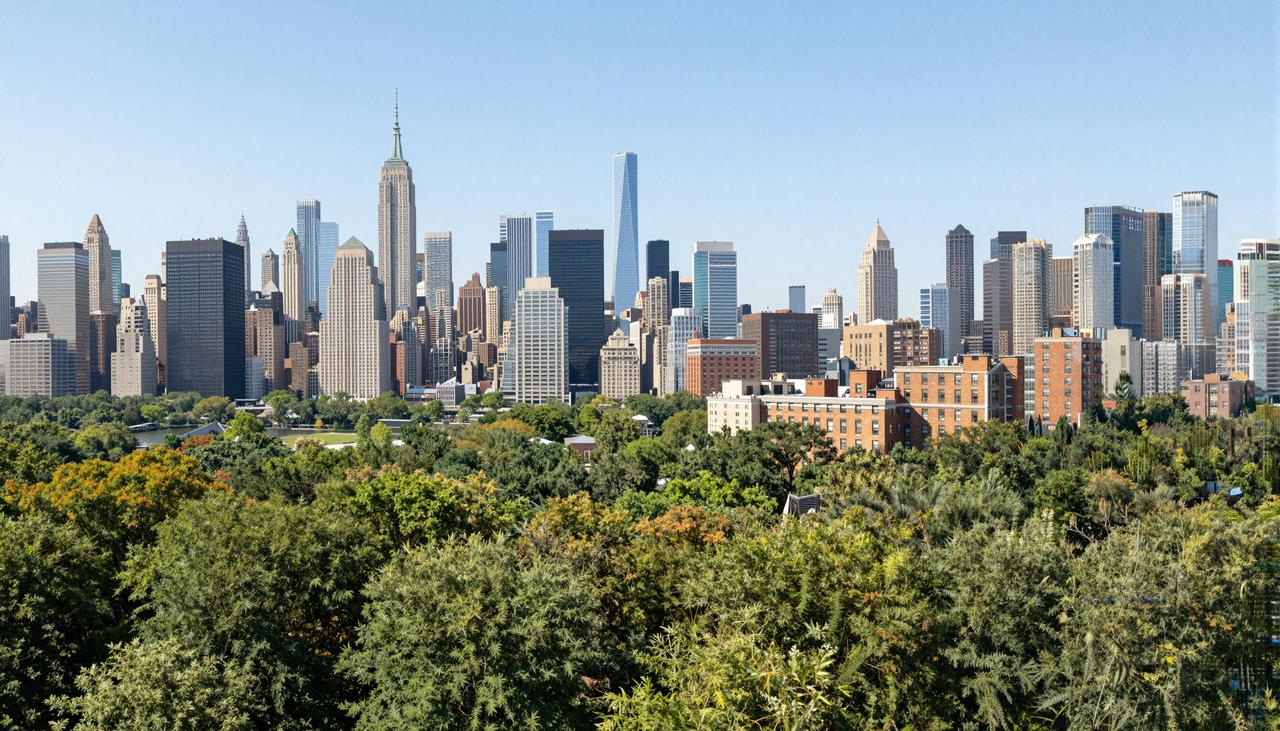
For travelers who enjoy a blend of urban life and nature, New York City is an ideal destination. While renowned for its towering skyscrapers and cultural landmarks, the city also boasts an abundance of outdoor opportunities—ranging from lush urban parks to scenic suburban woodlands—offering plenty of exciting adventures. Below is a four-day outdoor travel guide to New York, featuring hiking, cycling, water activities, and more, designed to help you discover another side of this dynamic metropolis.
Day 1: Central Park and the Manhattan Waterfront Greenway
Route Name: Central Park Loop Hike
Distance: Approximately 8 kilometers (optional sections available)
Difficulty: Easy
Highlights: Urban oasis, lake views, wildlife, historic architecture
Begin your journey in Central Park, one of New York’s most iconic outdoor spaces and a rare natural sanctuary within the city. Take a leisurely loop along the park’s trails, taking in serene lakes, sprawling lawns, striking sculptures, and ever-changing seasonal scenery. If time permits, stop by nearby Bessie Smith Place or Strawberry Fields to experience the harmonious blend of culture and nature.
Best Season: Spring (March–May) and autumn (September–November), when the weather is pleasant and the landscapes are at their most beautiful.
Gear Recommendations: Comfortable walking shoes, sunscreen, a water bottle, a lightweight backpack, and a camera.
Safety Tips: The park can be crowded; keep your belongings secure and avoid walking alone at night.
Day 2: Cycling Along the Hudson River
Route Name: Hudson River Greenway
Distance: About 18 kilometers (full route)
Difficulty: Easy to moderate
Highlights: Riverside vistas, the Statue of Liberty, Wall Street, the Brooklyn Bridge
On day two, hop on a bike and follow the Hudson River Greenway from Manhattan all the way to Brooklyn—a perfect route for first-time urban cyclists. Along the way, you’ll pass iconic sights such as the Statue of Liberty, Wall Street, and the Brooklyn Bridge, while immersing yourself in the unique interplay of New York’s urban energy and natural beauty.
Best Season: Spring and summer (April–September), when temperatures are mild and winds are light.
Gear Recommendations: A rental bike, helmet, water bottle, windproof jacket, and a map or navigation device.
Safety Tips: Pay attention to traffic signals and follow cycling rules. Some sections have gentle slopes, so adjust your speed accordingly.
Day 3: Queens Wetlands and Long Island’s Coastline
Route Names: Forest Park Trail + Long Island Seawall Walk
Distance: Roughly 12 kilometers (combined)
Difficulty: Moderate
Highlights: Wetland ecosystems, birdwatching, coastal views
Head to Queens on day three to explore the city’s natural outskirts. Forest Park Trail is one of Queens’ largest green spaces, perfect for hiking and birdwatching. From there, make your way to Long Island’s coastline and stroll along the seawall, enjoying sweeping ocean vistas and distant ships. Far from the hustle and bustle of downtown, this area provides a peaceful retreat.
Best Season: Spring and autumn, avoiding the summer heat and winter winds.
Gear Recommendations: Waterproof footwear, insect repellent, binoculars (if birdwatching), and a sun hat.
Safety Tips: Wetland areas may have standing water—wear non-slip shoes—and be mindful of waves and tidal changes.
Day 4: Brooklyn Heights Hike and Viewpoint
Route Name: Brooklyn Heights Loop
Distance: Around 6 kilometers
Difficulty: Easy
Highlights: Panoramic city views, sunset, artsy neighborhoods, cafés
Conclude your trip with a relaxing hike through Brooklyn Heights, where elevated paths offer breathtaking views of Manhattan’s skyline—especially stunning at sunset. After your walk, settle into a local café to savor New York’s signature coffee and snacks, bringing your adventure to a satisfying close.
Best Season: Anytime, though evening visits provide the most dramatic lighting.
Gear Recommendations: Comfortable shoes, a camera, and a thermos for hot beverages.
Safety Tips: Crowds can gather in popular spots, so keep an eye on your personal items. Some sections of the trail are steep, so proceed with caution.
Outdoor Activities Summary and Practical Advice
New York offers a diverse array of outdoor experiences, from verdant urban oases to picturesque suburban landscapes. Whether you prefer hiking, cycling, or birdwatching, there’s something for everyone. Plan your itinerary based on your interests and fitness level to ensure a comfortable and enjoyable trip.
Budget Estimate:
- Accommodation: $100–$200 per night (budget hotels or hostels)
- Transportation: Subway fare around $2.75 per ride; bike rentals cost approximately $10–$20 per day
- Meals: Street food runs about $5–$10; sit-down meals range from $15–$30
- Other: Equipment rentals and entrance fees add roughly $10–$30
Total Budget: Approximately $200–$500 per person (excluding airfare)
Additional Notes:
- New York’s weather can be unpredictable, so always carry rain gear and layers.
- Exercise caution when traveling at night; it’s best to go out with companions.
- Certain parks or nature reserves may require reservations or admission fees, so check ahead of time.
An outdoor excursion in New York isn’t just a physical challenge—it’s also an opportunity for mental rejuvenation and self-discovery. Whether you’re a local resident or a visitor, you’re sure to find your own little slice of nature amidst the city’s vibrant energy.