A Quick Guide to History and Culture
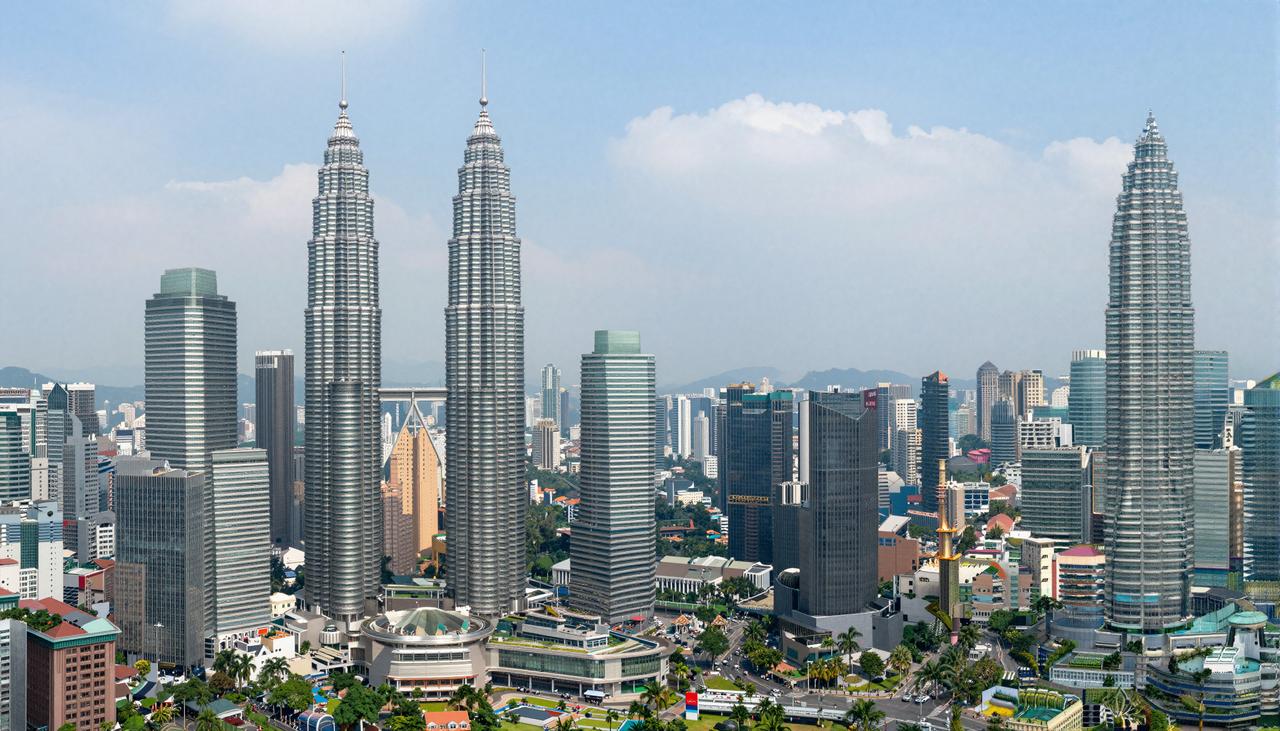
Kuala Lumpur, the capital of Malaysia, is a vibrant melting pot of Malay, Chinese, Indian, and Islamic cultures, creating a unique and diverse social fabric. The city is renowned for iconic landmarks such as the Petronas Twin Towers and the National Mosque, while also preserving the lively atmosphere of its old quarters and traditional temples. As a city steeped in history, Kuala Lumpur serves not only as a political hub but also as a cultural and commercial crossroads. Visitors can gain deeper insights into local culture by exploring museums, participating in festivals, and visiting religious sites. Understanding Kuala Lumpur’s historical context will help you plan your itinerary more effectively, avoid cultural misunderstandings, and enhance your overall travel experience.
Must-Visit Cultural Landmarks
Museums
National Museum: Located on Jalan Damansara, this museum showcases Malaysia’s rich history and cultural heritage, featuring ancient artifacts, ethnic costumes, and traditional crafts. Opening hours are typically 9:00–17:00, with an admission fee of around RM20.
Sultan Abdul Samad Building: Built in 1897, this landmark from the British colonial era now houses government offices. Its ornate facade makes it a popular spot for photography.
National Mosque: Situated beside Merdeka Square, this is one of the largest mosques in Southeast Asia, blending Islamic and Malay architectural styles. With its lavish interior, admission is free.
Historical Sites and Religious Buildings
Chinatown (Petaling Street): Kuala Lumpur’s oldest Chinese enclave, lined with historic buildings and temples such as Guan Yin Temple and Thian Hock Keng Temple, exuding a strong Chinese cultural vibe.
Sri Mahamariamman Temple: Nestled in Brickfields, this is Kuala Lumpur’s oldest Hindu temple, distinguished by its intricate carvings and vivid colors—perfect for photography.
St. John’s Church: Dating back to 1881, this is one of Kuala Lumpur’s earliest Christian churches, boasting Victorian architecture.
Cultural Districts
Jalan Tuanku Abdul Rahman (Jalan TAR): A street that seamlessly blends historic architecture with modern culture, home to old banks, bookstores, cafés, and art galleries—ideal for a leisurely stroll.
Kampung Baru: Kuala Lumpur’s traditional Malay village, where many authentic Malay buildings and ways of life remain intact, offering a chance to immerse yourself in Malay culture and daily life.
Merdeka Square: The city’s iconic plaza, surrounded by the National Mosque, Sultan Abdul Samad Building, and the National Museum, stands as a symbol of Kuala Lumpur’s history and culture.
Immersive Cultural Experiences
Craft Workshops
Kuala Lumpur Craft Centre: Located in the city center, this venue offers hands-on classes in traditional crafts such as pottery, wood carving, and batik, perfect for travelers who enjoy getting creative.
Traditional Performances
Traditional Malay Dance Show: Held regularly at cultural centers or hotels, these performances feature traditional dances, music, and costumes, including “Joget” and “Wajang.” Check schedules in advance.
Festivals and Events
Hari Raya Aidilfitri: Marking the first full moon after Ramadan, this is one of the most important Muslim holidays, celebrated with parades, markets, and family gatherings. If you can time your visit accordingly, it’s a fantastic opportunity to delve into Islamic culture.
Guided Tours
Cultural Tour: Many tour operators offer guided tours of Kuala Lumpur’s cultural highlights, combining visits to key attractions with historical insights and interactive experiences—ideal for history buffs.
Daily Cultural Itineraries
Day 1: History and Religion
Morning: National Museum → National Mosque
Afternoon: Chinatown → Guan Yin Temple
Evening: Nighttime views at Merdeka Square
Day 2: Tradition and Art
Morning: Sultan Abdul Samad Building → Jalan TAR
Afternoon: Kampung Baru → Sri Mahamariamman Temple
Evening: Evening ambiance at St. John’s Church
Day 3: Crafts and Festivals
Morning: Kuala Lumpur Craft Centre
Afternoon: Cultural guided tour
Evening: Traditional Malay dance performance
Day 4: Free Exploration and Shopping
Morning: Bukit Bintang cultural district
Afternoon: Observation deck at the Petronas Twin Towers
Evening: Shopping at Central Market
Cultural Etiquette and Taboos
In Kuala Lumpur, respecting local customs and religious practices is essential. Remove your shoes and dress modestly before entering a mosque; avoid touching statues or incense burners at Chinese temples; and maintain quiet in public spaces, refraining from loud conversations. Use your right hand when eating or handing out items—your left is considered unclean. Additionally, during Ramadan, Muslims may fast during daylight hours, so refrain from eating meat or drinking alcohol in public if possible.
Budget Breakdown + Travel Tips + FAQs
Budget Estimate (per person)
| Item | Cost (RM) |
|---|---|
| Accommodation (3 nights) | 600–1,000 |
| Meals | 400–600 |
| Transportation | 200–300 |
| Tickets/Experiences | 300–500 |
| Miscellaneous | 200–300 |
| Total | 1,700–2,700 |
Travel Pitfalls to Avoid
- Beware of rock-bottom tour prices: Some low-cost packages may include hidden fees or forced shopping.
- Don’t accept unsolicited invitations to “free” shows on the street: These can be scams—stay cautious.
- Watch out for currency exchange: Withdraw cash from official banks or ATMs rather than exchanging money on the street.
- Refrain from touching religious statues or objects: This may be seen as disrespectful.
- Avoid peak hours at popular attractions: Such as the Petronas Twin Towers or the National Museum, to save time queuing.
- Book cultural tours in advance: Guides can be scarce during peak season, so secure yours ahead of time.
Frequently Asked Questions
Q: What’s the weather like in Kuala Lumpur?
A: Kuala Lumpur has a tropical rainforest climate, with high temperatures and abundant rainfall year-round. The best time to visit is November through March.
Q: Do I need to buy tickets in advance?
A: For popular sites like the Petronas Twin Towers or the National Museum, purchasing tickets online beforehand is recommended to skip long lines.
Q: What cultural souvenirs should I look for in Kuala Lumpur?
A: Consider traditional Malay headpieces, batik fabrics, and handmade jewelry. The Central Market and craft centers are excellent places to shop.
Sources for Further Information
- Official Tourism Website: Malaysia Tourism Promotion Board
- Attraction Websites: National Museum, Petronas Twin Towers, etc.
- Mapping Platforms: Google Maps, Baidu Maps
- Transportation Sites: KTM (Malaysian Railways), LRT (Light Rail Transit)
- Restaurant and Accommodation Reviews: TripAdvisor, Yelp, Booking.com