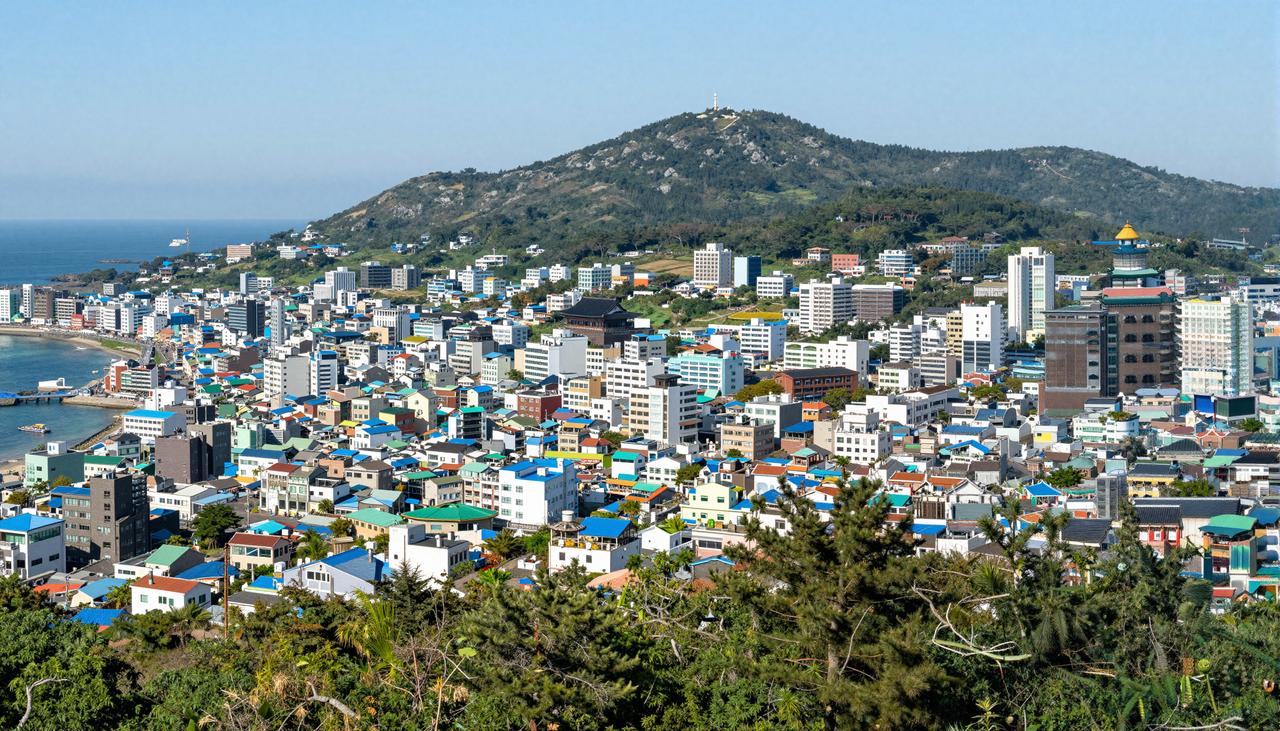
Food Overview
Korean culinary culture is characterized by fermented foods, diverse seasonings, and creative side-dish pairings, deeply influenced by the dining traditions of the Joseon Dynasty. Time-honored dishes like kimchi and doenjang jjigae remain staples on Korean tables today. Korean cuisine emphasizes the five colors and five flavors, striving for nutritional balance while highlighting seasonal ingredients and a family-style dining approach.
Must-Try Food List
- Korean BBQ (Samgyeopsal): Pork belly grilled over charcoal, served with lettuce, spicy gochujang, and kimchi.
- Bibimbap: A colorful bowl of mixed vegetables, meat, and rice, drizzled with chili sauce.
- Naengmyeon: A refreshing cold noodle dish perfect for summer, often paired with beef or chicken.
- Budae Jjigae: A spicy stew combining sausages, ham, enoki mushrooms, and more.
- Fried Chicken (Chikin): Crispy-on-the-outside, juicy-on-the-inside fried chicken—often enjoyed with beer, a staple in Korean dramas.
- Stone Pot Bibimbap (Gukbap): Rice stir-fried in a hot stone pot, topped with an array of savory side dishes.
- Tteokbokki: Rice cakes coated in spicy gochujang sauce, a quintessential Korean street snack.
- Samgyetang: A nourishing soup made with whole young chicken, traditionally enjoyed during festive seasons.
- Eomuk: Grilled eel marinated in chili paste, offering a unique, smoky flavor.
- Dubu Jjigae: A hearty, spicy tofu stew, ideal for warming up on chilly days.
Dining Taboos and Tips
- Avoid sticking your chopsticks upright in a bowl of rice: This is considered unlucky in Korea.
- Don’t pick up food directly with your hands: Unless it’s snacks like fried chicken or tteokbokki.
- Mind the shared-serving etiquette: Koreans typically share dishes family-style, but each person uses their own utensils.
- Respect vegetarian preferences: Many restaurants offer vegetarian menus, but be sure to inform them in advance.
- Clearly communicate any allergies: If you’re allergic to seafood, let your server know ahead of time.
Top Food Recommendations
Korean BBQ (Samgyeopsal)
Taste Profile: The pork belly’s rich fat slowly melts over the charcoal, pairing beautifully with lettuce and spicy gochujang. Recommendation Rating: ★★★★★ Best Place to Try: Sangchun Samgyeopsal in Myeong-dong, Seoul, with an average cost of 100,000 won (about RMB 500), open until 2:00 AM.
Bibimbap
Taste Profile: A vibrant mix of colorful vegetables, egg, and beef atop fluffy rice, elevated by the bold kick of gochujang. Recommendation Rating: ★★★★☆ Best Place to Try: Jinju Bibimbap in Haeundae, Busan, priced at around 80,000 won (RMB 400), open from 11:00 AM to 11:00 PM.
Naengmyeon
Taste Profile: Cool, refreshing noodles served with beef or chicken, delivering a tangy, spicy burst that awakens the palate. Recommendation Rating: ★★★★☆ Best Place to Try: Jinjeon Naengmyeon in Seogwipo, Jeju Island, costing about 60,000 won (RMB 300), open from 10:00 AM to 9:00 PM.
Budae Jjigae
Taste Profile: Sausages, ham, enoki mushrooms, and other ingredients simmered in a fiery broth, creating a deeply savory experience. Recommendation Rating: ★★★★ Best Place to Try: Korean BBQ House near Cheonggyecheon Stream, Seoul, priced at roughly 70,000 won (RMB 350), open from 11:00 AM to 11:00 PM.
Fried Chicken (Chikin)
Taste Profile: Crispy exterior, succulent interior—especially delightful when paired with a cold beer. Recommendation Rating: ★★★★★ Best Place to Try: Dawon Chicken in Nam-gu, Busan, costing around 50,000 won (RMB 250), open from 10:00 AM to 11:00 PM.
Stone Pot Bibimbap (Gukbap)
Taste Profile: Steaming rice and assorted toppings sizzle together in a heated stone pot, filling the air with irresistible aromas. Recommendation Rating: ★★★★☆ Best Place to Try: Hwayeo Gukbap in Hongdae, Seoul, priced at about 90,000 won (RMB 450), open from 11:00 AM to 11:00 PM.
Tteokbokki
Taste Profile: Chewy rice cakes glazed in spicy gochujang, a quintessential Korean street snack. Recommendation Rating: ★★★★ Best Place to Try: Jeju Tteokbokki Street at the foot of Mount Halla, costing around 30,000 won (RMB 150), open from 10:00 AM to 10:00 PM.
Samgyetang
Taste Profile: Chicken slow-cooked with ginseng, wolfberries, and other medicinal herbs, yielding a rich, nourishing broth. Recommendation Rating: ★★★★☆ Best Place to Try: Jongno Samgyetang in Jongno District, Seoul, priced at about 120,000 won (RMB 600), open from 11:00 AM to 10:00 PM.
Eomuk
Taste Profile: Grilled eel with a crispy exterior and tender, flavorful interior, enhanced by a signature chili sauce. Recommendation Rating: ★★★★ Best Place to Try: Eomuk Alley in Gwangalli, Busan, costing around 40,000 won (RMB 200), open from 11:00 AM to 11:00 PM.
Dubu Jjigae
Taste Profile: Silken tofu infused with the deep, spicy flavors of the broth, smooth and comforting—perfect for winter. Recommendation Rating: ★★★★ Best Place to Try: Haeundae Dubu Jjigae in Seogwipo, Jeju Island, priced at about 70,000 won (RMB 350), open from 11:00 AM to 10:00 PM.
Recommended Restaurants and Food Streets
Featured Restaurants
| Restaurant Name | Address | Signature Dish | Average Cost | Hours |
|---|---|---|---|---|
| Sangchun Samgyeopsal | Myeong-dong, Seoul | Korean BBQ | 100,000 KRW | 11:00–02:00 |
| Jinju Bibimbap | Haeundae, Busan | Bibimbap | 80,000 KRW | 11:00–23:00 |
| Jinjeon Naengmyeon | Seogwipo, Jeju Island | Cold Noodles | 60,000 KRW | 10:00–21:00 |
| Korean BBQ House | Near Cheonggyecheon, Seoul | Budae Jjigae | 70,000 KRW | 11:00–23:00 |
| Dawon Chicken | Nam-gu, Busan | Fried Chicken | 50,000 KRW | 10:00–23:00 |
| Hwayeo Gukbap | Hongdae, Seoul | Stone Pot Bibimbap | 90,000 KRW | 11:00–23:00 |
| Jeju Tteokbokki Street | Foot of Mount Halla, Jeju | Tteokbokki | 30,000 KRW | 10:00–22:00 |
| Jongno Samgyetang | Jongno District, Seoul | Samgyetang | 120,000 KRW | 11:00–22:00 |
| Eomuk Alley | Gwangalli, Busan | Grilled Eel | 40,000 KRW | 11:00–23:00 |
| Haeundae Dubu Jjigae | Seogwipo, Jeju Island | Dubu Jjigae | 70,000 KRW | 11:00–22:00 |
Food Streets and Night Markets
1. Myeong-dong Night Market, Seoul
- Highlights: A bustling hub of snack stalls offering tteokbokki, fried chicken, spicy rice cakes, and more.
- Best Time to Visit: Late afternoon through the night, when crowds are at their peak.
2. Gwangalli Night Market, Busan
- Highlights: Seafood grills, tteokbokki, fried chicken, and other local favorites.
- Best Time to Visit: After 6:00 PM, when the lively atmosphere truly comes alive.
3. Snack Street at the Foot of Mount Halla, Jeju Island
- Highlights: Tteokbokki, grilled squid, and casual eats in a relaxed setting.
- Best Time to Visit: Early evening, perfect for a leisurely stroll and sampling.
Restaurant Reservation Tips and Avoiding Pitfalls
- Recommended Platforms: Yelp Korea, Tripadvisor, Google Maps.
- Book Ahead: Popular spots like Sangchun Samgyeopsal often require reservations a day in advance.
- Steer Clear of Overpriced Tourist Areas: Certain districts in Seoul, such as Myeong-dong and Dongdaemun, tend to inflate prices.
- Look for Coupons: Many restaurants offer discounts via Naver or Coupang.
- Check Opening Hours: Some eateries operate only during specific time slots.
Dining Culture and Etiquette
Korean dining culture places great emphasis on sharing and respect. During meals, the host typically begins eating first, followed by guests. When toasting, always present your cup with both hands; when serving dishes, use communal utensils rather than picking directly with your own chopsticks.
Unique Culinary Experiences
- Korean Cooking Classes: Available in Samcheong-dong, Seoul, or on Jeju Island, where you can learn to make kimchi, bibimbap, and more.
- Food Tours: In Busan, specialized tours of the city’s seafood markets reveal insider tips on selecting fresh catches.
- Market Walks: Explore neighborhoods like Bukchon Hanok Village in Seoul, where you can find traditional snacks and seasonings.
Catering to Special Dietary Needs
- Vegetarians: Most restaurants offer vegetarian options—just inform your server.
- Halal Requirements: Halal certification is rare in Korea, so consider dining in areas with larger Muslim communities.
- Allergies: Always alert your server to any food sensitivities, especially to seafood or other common allergens.
Common Questions and Helpful Tips
How Can You Spot Authentic Local Eats?
- Observe the Crowd: If locals are frequenting a place, it’s likely serving genuine, high-quality fare.
- Check the Menu Language: Genuine establishments usually label ingredients and preparation methods in Korean.
- Avoid Overhyped Spots: Some “Instagram-famous” restaurants may prioritize aesthetics over taste.
Takeout, Delivery, and Bento Boxes
- Bento Boxes: Convenience stores like GS25 and CU offer ready-to-eat bento sets for quick meals.
- Delivery Services: Baedal Minjok and Coupang Eats provide convenient home delivery.
- Takeout Options: Many restaurants, especially those specializing in Korean BBQ, allow customers to pack up leftovers.
Food Safety Reminders
- Ensure Fresh Ingredients: Particularly with seafood—choose well-reviewed, reputable eateries.
- Minimize Raw-Food Risks: For items like sashimi, opt for trusted, high-quality restaurants.
- Practice Good Hygiene: Wash your hands before eating and avoid cross-contamination.
FAQs
Q1: Is Korean food very spicy? A: Korean dishes often feature chili-based seasonings, but you can request “mild” or “non-spicy” options.
Q2: Can I pay by credit card? A: Most restaurants accept cards, though small stalls and older shops may only take cash.
Q3: What are some good souvenirs to bring home? A: Kimchi, gochujang, Korean candies, and specialty coffee beans make excellent gifts.
Q4: How do I handle language barriers? A: Use translation apps like Google Translate, or download photos of menu items beforehand.
Q5: Any recommendations for family-friendly dining? A: Mandu House in Gangnam, Seoul, and Bibimbap Village in Haeundae, Busan, are both great choices for group gatherings.