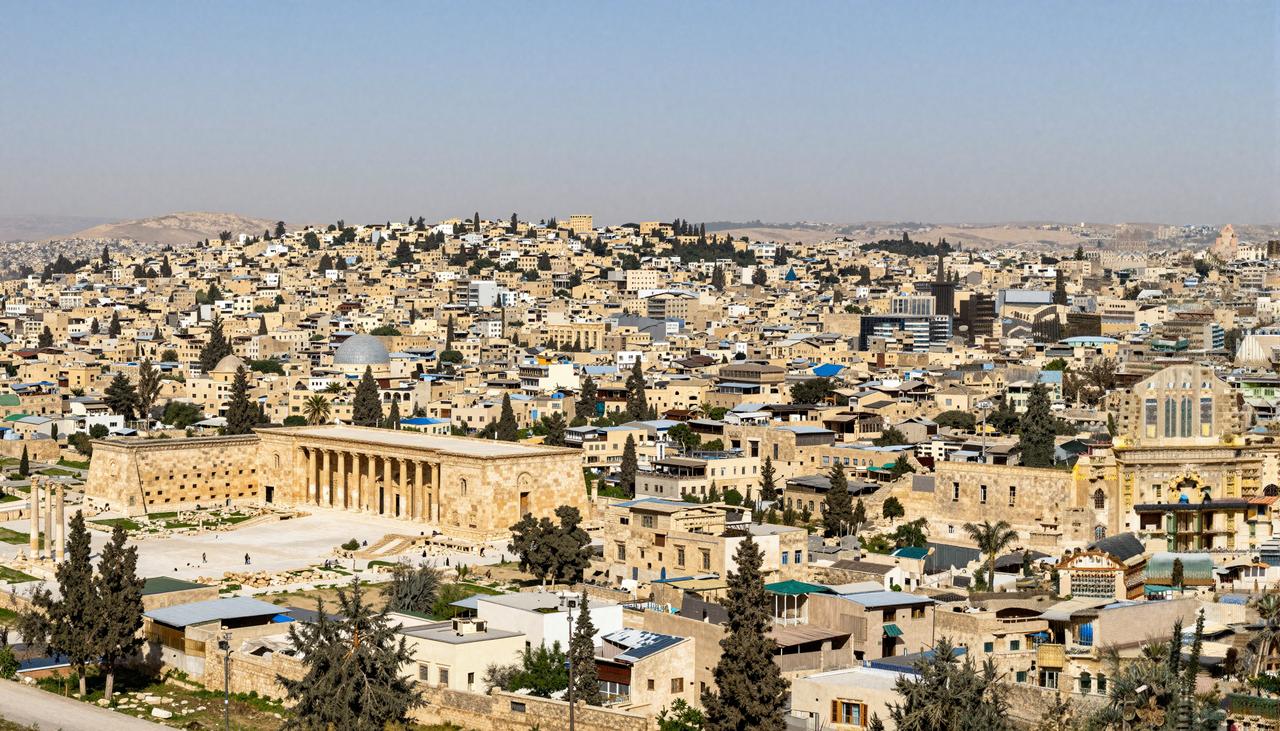
A Quick Guide to History and Culture
Amman, the capital of Jordan, boasts over 2,500 years of history and once served as the eastern gateway of the Roman Empire. The city seamlessly blends ancient Roman, Byzantine, and Islamic architectural styles, making it one of the most culturally rich cities in the Middle East. Beyond its role as a modern political hub, Amman was also a vital stop along the ancient Silk Road. The city is home to numerous historical sites, including Amman Citadel, the Roman Theatre, and the ruins of Jerash, while the traditional markets and artisan workshops of the Old City offer a glimpse into local life. Visitors can gain a deeper understanding of Amman’s cultural heritage by exploring its museums, attending traditional performances, and discovering its historic landmarks.
Must-Visit Cultural Landmarks
Museums
The Jordan National Museum: Located within Amman Citadel, this museum showcases artifacts from prehistoric times through the Ottoman era, featuring archaeological finds unearthed across Jordan. Guided tours are recommended for a more in-depth experience.
The Archaeological Museum on Damascus Street: Situated near the city center, this museum displays an extensive collection of archaeological treasures from Amman and its surroundings, including pottery, coins, and sculptures.
Historic Sites
Amman Citadel: Perched on a hilltop in the heart of the city, this is one of Amman’s oldest districts, offering panoramic views of the urban landscape. Within the citadel complex, you’ll find remnants of Roman temples, the Umayyad Mosque, and other historic structures—perfect for a leisurely stroll.
The Roman Amphitheatre: Built in the 2nd century AD, this iconic landmark is one of Amman’s most famous attractions and continues to host concerts and performances today.
Jerash: Approximately 60 kilometers from Amman, Jerash is one of the best-preserved Roman cities in the world, with well-preserved arches, fountains, theaters, and marketplaces. Plan at least half a day to explore this remarkable site.
Religious Buildings
The Umayyad Mosque: Constructed in 705 AD, this is one of the oldest mosques in the world, renowned for its ornate interior and exemplary Islamic architecture.
St. John the Baptist Church: Nestled in Amman’s Old City, this important Orthodox Christian site combines Byzantine and Islamic design elements.
Al-Attaba Mosque: Located in the city center, this mosque stands out with its distinctive architecture and serves as a prime example of Amman’s contemporary Islamic places of worship.
Immersive Cultural Experiences
Craft Workshops
Amman Old City Crafts Market: Here, you can purchase traditional carpets, pottery, silver jewelry, and leather goods. Some shops even offer hands-on crafting experiences, such as dyeing fabrics or carving.
Hashemite Family Crafts Center: Situated on the outskirts of Amman, this women-run workshop highlights time-honored techniques in weaving, embroidery, and woodcarving.
Traditional Performances
Amman Theatre: Regularly hosts performances of Arabic folk dances and music; check the schedule in advance.
Amman International Festival: Held each autumn, this vibrant event draws artists and audiences from around the globe, presenting theater, music, and visual arts.
Festivals and Celebrations
Eid al-Fitr: One of the most significant Muslim holidays, marked by street festivities and special markets in select neighborhoods.
Amman International Film Festival: Taking place every November, this festival screens films from across the globe, ideal for cinephiles.
Guided Tours
Local Guides: Available through Amman’s tourist information centers or your hotel, these guides provide insightful commentary and cultural context.
Custom Itineraries: Several tour operators offer personalized cultural journeys, perfect for travelers eager to delve deep into Amman’s history.
Daily Cultural Itineraries
Day 1: A Historical Introduction
Morning: Amman Citadel, Roman Theatre
Afternoon: Jordan National Museum, Archaeological Museum on Damascus Street
Evening: Stroll through the Old City and savor local cuisine
Day 2: Ruins and Religious Heritage
Morning: Excursion to Jerash (by private car or organized day trip)
Afternoon: Umayyad Mosque, St. John the Baptist Church
Evening: Traditional performance at the Amman Theatre
Day 3: Tradition and Everyday Life
Morning: Explore the crafts market in Amman’s Old City
Afternoon: Visit the Hashemite Family Crafts Center
Evening: Attend a program at the Amman International Festival (if scheduled)
Day 4: City Views and Farewell
Morning: Al-Attaba Mosque, Amman Museum
Afternoon: Free time for shopping or a café break
Evening: Nighttime exploration of Amman’s lively streets
Cultural Etiquette and Taboos
As an Islamic-majority country, Amman places great importance on respecting local customs. Remove your shoes before entering mosques and avoid revealing clothing. Keep noise levels low in public spaces, refraining from loud conversations. Always ask for permission before taking photos, especially at religious sites or in the Old City. During Ramadan, refrain from eating or drinking in public unless invited to do so. Lastly, steer clear of sensitive political topics to ensure a smooth and respectful visit.
Budget Breakdown + Travel Tips + FAQs
Budget Estimate (per person)
| Item | Cost (in JOD) |
|---|---|
| Accommodation (3 nights) | 1,200–1,800 |
| Meals | 900–1,200 |
| Entrance Fees | 300–500 |
| Transportation | 500–800 |
| Miscellaneous (Shopping/Souvenirs) | 400–600 |
| Total | 3,300–5,000 |
Travel Tips
- Avoid purchasing tickets through unofficial channels: To prevent counterfeit tickets or overcharging.
- Don’t accept unsolicited invitations from strangers: Some areas may pose risks of scams.
- Choose reputable currency exchange points: Stick to banks or authorized exchangers to avoid unfavorable rates.
- Steer clear of peak holiday periods: During Eid al-Fitr, crowds swell and some attractions may impose entry limits.
- Beware of overly cheap tour packages: Prices that seem too good to be true often come with hidden fees or subpar service.
- Avoid traveling alone at night: Especially in the Old City; travel with companions whenever possible.
FAQs
Q: Is Amman safe? A: Overall, Amman is quite safe, but it’s best to avoid walking alone late at night, particularly in less populated areas.
Q: Do I need to book attraction tickets in advance? A: Most sites don’t require reservations, but it’s wise to confirm ahead during peak seasons.
Q: What’s the transportation like in Amman? A: Public transit is convenient, with taxis and buses readily available. Use ride-hailing apps or ensure meters are engaged.
**Q: Can I pay with credit cards? A: Credit cards are widely accepted, though smaller vendors may only take cash.
Suggested Resources for Verification
- Amman Tourism Board Website: https://www.visitamman.jo (for up-to-date events and attractions)
- Individual Site Websites: Such as the Jordan National Museum and the Roman Theatre
- Google Maps: For real-time opening hours and user reviews
- Jordan Ministry of Transport Website: https://www.mot.gov.jo (for bus and taxi information)
- Tourist Information Centers: Located at Amman Airport and throughout the city, offering the latest updates