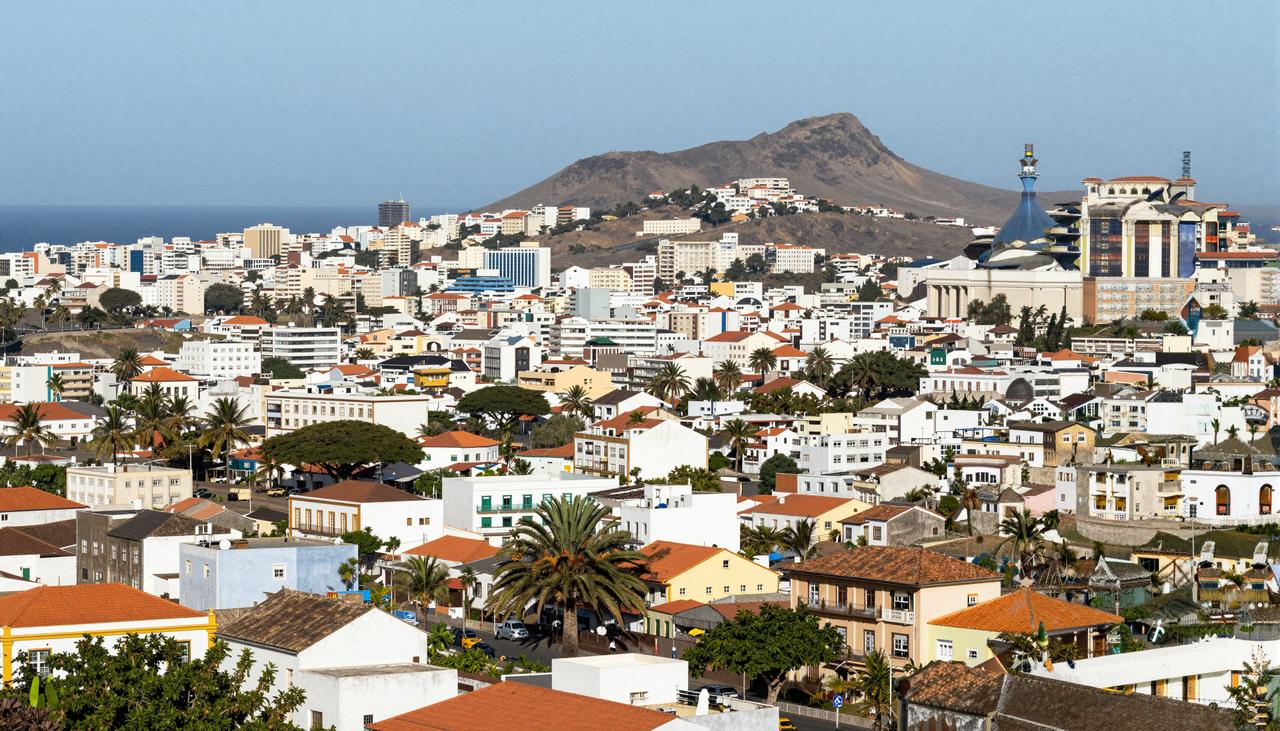
A Quick Guide to History and Culture
Cape Verde is an archipelago of volcanic islands located in the central Atlantic Ocean, comprising ten major islands. Its culture bears deep traces of Portugal’s colonial past, while also blending African traditions and the influences of West African migrants. The primary language is Cape Verdean Creole, though Portuguese is widely spoken. Cape Verde’s music, dance, and festivals are uniquely vibrant, especially its flamenco-inspired melodies and exuberant, spirited dances. The country is also renowned for its abundant marine resources, with fishing and tourism forming the backbone of its economy. For visitors, Cape Verde is not only a destination of stunning natural beauty but also an exceptional opportunity to explore the cultural crossroads of Africa and Europe.
Must-Visit Cultural Landmarks
Museums
National Museum of Cape Verde (Museu Nacional de Cabo Verde): Located in the capital, Praia, it showcases Cape Verde’s history, art, and folklore, featuring colonial-era artifacts, traditional costumes, and handicrafts. It’s advisable to check opening hours in advance. São Vicente Historical Museum (Museu Histórico de São Vicente): Situated in Mindelo on São Vicente Island, this museum highlights the island’s colonial history and early maritime culture.
Historic Sites and Religious Buildings
Almeida Ribeiro Fort (Forte de Almeida Ribeiro): In Praia, this 16th-century Portuguese fortification has become one of the city’s iconic landmarks. St. Anthony’s Church (Igreja de São António): In Mindelo, this colonial-style church boasts exquisite interior decoration and often hosts exhibitions by local artists. St. Michael’s Cathedral (Catedral de São Miguel): On Fogo Island, this is the island’s most important religious edifice, with a majestic exterior and richly decorated interiors.
Cultural Quarters
Old Town of Praia (Cidade Velha): This historic district preserves numerous colonial-era structures, including stone-paved streets, colonial houses, and small plazas, perfect for leisurely strolls. Mindelo Fishing Port (Praia da Calheta): As the cultural heart of São Vicente Island, this bustling hub brings together fishermen at work, street performers, and traditional food stalls. Sal Island Market (Mercado de Sal): Located on Sal Island, this is the largest local market, where you can find handmade jewelry, woven baskets, traditional clothing, and more.
Immersive Cultural Experiences
Crafts Workshops
Woven Basket‑Making Workshop: On Sal or São Vicente Islands, join a hands-on class led by local artisans to learn how to weave palm‑leaf baskets—perfect as a souvenir to take home. Traditional Pottery Firing: On Fogo or Santiago Islands, visit a pottery workshop to discover the craft of local ceramics; some studios even offer interactive sessions.
Performances and Festivals
Cape Verdean Music Shows: In Praia or Mindelo, many bars and restaurants host flamenco‑style performances—be sure to check schedules ahead of time. St. Michael’s Festival (Festas de São Miguel): Held annually in May on Fogo Island, this is one of the region’s most significant celebrations, featuring parades, music, dance, and traditional cuisine. São Vicente Festival (Festas de São Vicente): Taking place every August on São Vicente Island, this event centers on music and dance, offering an ideal chance to immerse yourself in local culture.
Guided Tours
Urban History Tours: In Praia, Mindelo, and other towns, arrange for a local guide to provide insights into the area’s history and architecture. Island‑Hopping Cultural Journeys: Plan day trips to different islands, such as Fogo or Santiago, to engage with local communities and participate in cultural activities.
Daily Cultural Itineraries
Day 1: Exploring Praia’s Culture
Morning: Visit the National Museum of Cape Verde to gain an overview of the nation’s history and cultural evolution. Afternoon: Stroll through Praia’s Old Town, soaking up the atmosphere of colonial architecture and everyday life. Evening: Dine at a downtown restaurant, savoring Cape Verdean specialties like “cachupa” (a hearty stew), and enjoy a live music performance.
Day 2: A Cultural Journey on São Vicente Island
Morning: Discover the São Vicente Historical Museum and learn about the island’s colonial past and seafaring heritage. Afternoon: Head to Mindelo’s fishing port to experience local fishermen’s daily routines and browse handmade crafts. Evening: Attend a live music show and feel the soul of Cape Verdean music.
Day 3: Immersing in Fogo Island’s Culture
Morning: Tour St. Michael’s Cathedral and appreciate its religious significance and architectural style. Afternoon: Join a basket‑weaving workshop and create your own keepsake. Evening: Return to Praia to conclude your cultural adventure.
Cultural Etiquette and Taboos
The people of Cape Verde are warm and hospitable, but respecting local customs is essential. Avoid making inappropriate remarks about religious beliefs, particularly inside churches or during ceremonies. Always ask for permission before taking photos, especially when photographing individuals. Dress modestly and somewhat formally, especially when visiting churches or attending formal events. Also, refrain from touching others’ belongings or personal space without consent, and maintain appropriate social distance.
Budget Breakdown + Travel Tips + FAQs
Budget Estimate (approximately €1,000–€1,500 per person for 3 days)
| Item | Cost (€) |
|---|---|
| Flights | 300–600 |
| Accommodation (3 nights) | 200–400 |
| Meals | 100–150 |
| Transportation (inter‑island + local) | 100–150 |
| Activities & Experiences | 100–200 |
| Miscellaneous | 50–100 |
Travel Tips
- Avoid exchanging currency directly at the airport or in tourist areas: Rates may be unfavorable; use reputable banks or ATMs instead.
- Beware of overly cheap tour packages: Some agencies hide additional fees—confirm all details before booking.
- Don’t trust roadside hucksters: Unscrupulous vendors may mislead tourists; book activities through official channels.
- Practice food safety: Stick to well‑rated restaurants and steer clear of raw or undercooked dishes.
- Respect photography norms: Seek permission before snapping photos at religious sites or private homes.
- Book popular events in advance: Tickets for major festivals or guided tours often sell out quickly.
FAQs
Q: Do I need a visa to visit Cape Verde? A: Chinese citizens holding a valid passport can enter visa‑free for stays of up to 30 days. Q: What’s the best time to travel? A: November through April marks the dry season, offering pleasant weather ideal for sightseeing. Q: Should I carry cash? A: While cash remains accepted in some places, credit and debit cards are widely used in hotels and restaurants.
Information Verification Tips
- Cape Verde Tourism Board website: https://www.visitcabo-verde.com/
- Official websites or social media pages of individual attractions
- Use Google Maps to confirm addresses and opening hours
- Check the Cape Verde Transport Authority website or local bus stops for public transport info