Outdoor Resources and Seasonal Windows
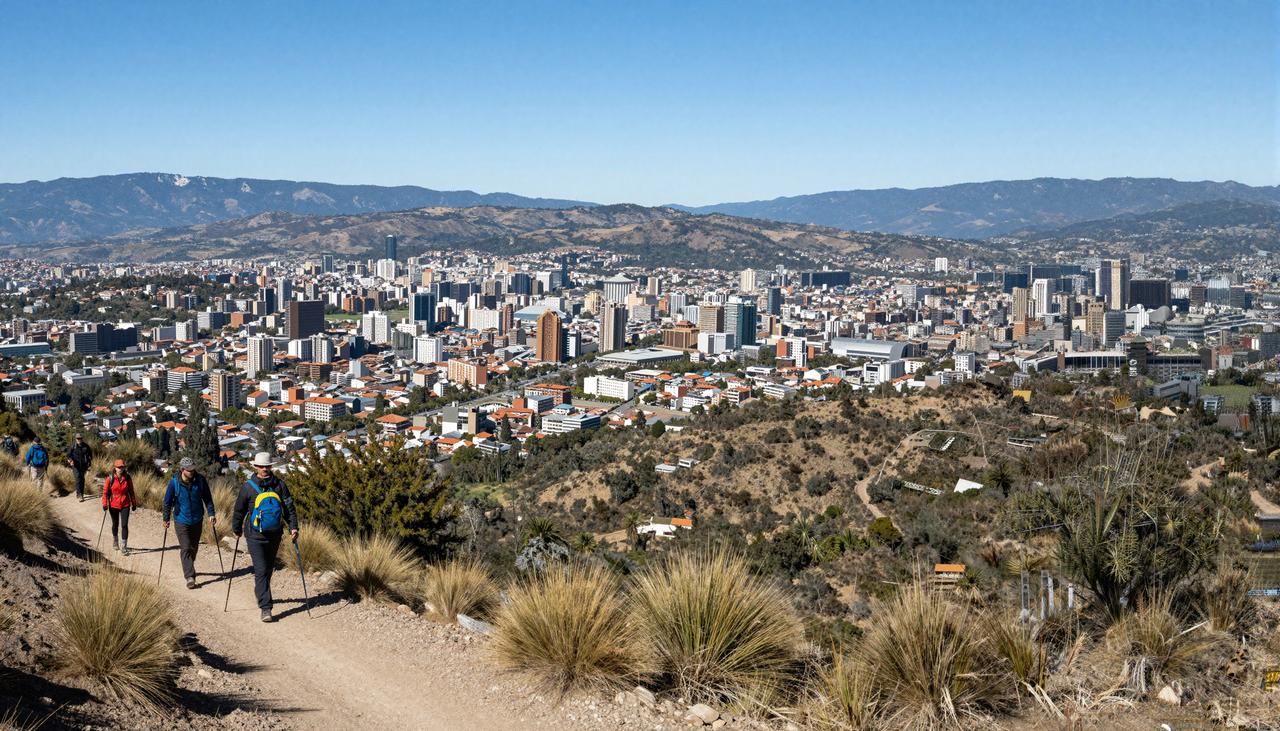
Chile boasts an abundance of outdoor resources, stretching from the Atacama Desert to the Patagonian Plateau and encompassing a wide variety of landscapes and climate zones. A five-day outdoor adventure is best undertaken in spring (October to November) or autumn (March to April), when the weather is relatively stable and the daily temperature range is moderate—ideal conditions for hiking and mountaineering.
Key challenges include the physical demands of high-altitude areas, such as certain sections of the Andes, as well as sudden weather changes in some regions. Participants are advised to have a basic level of fitness and be comfortable with long days of walking on rugged terrain. Certain routes require advance permits, particularly for entry into national parks or designated protected areas.
Three Core Itineraries
Route 1: Valparaíso to La Cruzada (Approx. 20 km, 12 hours)
This route follows Chile’s coastline, offering stunning views of the Pacific Ocean and dramatic cliffside scenery. Starting in Valparaíso and ending in La Cruzada, the trail spans about 20 kilometers with roughly 600 meters of elevation gain, taking approximately 12 hours to complete. The difficulty is moderate to challenging. Along the way, there are several resupply points, including cafés and small shops at landmarks like San Cristóbal Hill and Concepción.
Route 2: Hike through O’Higgins National Park (Approx. 15 km, 8 hours)
Located in southern Chile near the Argentine border, this natural reserve is a mosaic of glaciers and forests. Centered around O’Higgins National Park, the route is about 15 kilometers long with roughly 400 meters of elevation gain, lasting around 8 hours and rated as moderately difficult. Highlights include Lake Félix and Alta Falls, with temporary resupply points available; it’s recommended to carry your own water and energy snacks.
Route 3: Crossing the Atacama Desert (Approx. 30 km, 10 hours)
One of the most demanding routes, this trek traverses the world’s driest desert. Starting in Arica and finishing in Chacama, the journey covers roughly 30 kilometers with minimal elevation gain but requires coping with extreme heat and the risk of dehydration. Expect to spend about 10 hours, with a high level of difficulty. There are only a few resupply points along the way, so bring ample water and sun-protection gear.
Daily Outdoor Itinerary
Day 1: Depart Valparaíso, Head to La Cruzada
Depart Valparaíso at 7 a.m. and walk along the coast toward La Cruzada. Stop for lunch at a mid-route resupply point, then arrive at your destination in the afternoon to rest and recover.
Day 2: Hike in O’Higgins National Park
Rise early in Santiago and head to O’Higgins National Park to begin your hike. Enjoy a picnic lunch near Lake Félix, continue in the afternoon, and return to camp in the evening.
Day 3: Cross the Atacama Desert
Set out from Arica into the Atacama Desert, following the designated trail. Pay close attention to hydration and sun protection along the way, make a brief stop near Chacama at noon, and resume your journey in the afternoon.
Day 4: Return Journey and Nature Exploration
Choose a relaxed nature-watching route, such as a short hike around Moreno Glacier, or head to the wetlands near Valdivia for birdwatching. Spend the day exploring, then return to your accommodation in the evening.
Day 5: Free Time and Departure
Tailor the day to your interests—visit Santiago’s historic center, Villarrica Volcano, or Valparaíso’s art district. In the afternoon, prepare for your return trip.
Gear and Safety
Layered Packing List
- Essentials: Waterproof backpack, lightweight tent, sleeping bag, sleeping pad, headlamp, map, and compass.
- Clothing: Quick-drying top, insulating jacket, sun hat, sunglasses, windproof gloves.
- Food and Water: At least 2 liters of water per day, energy bars, dehydrated snacks, and compact meals.
- Medical Supplies: Band-aids, antiseptic wipes, pain relievers, and allergy medication.
Weather Emergency Plan
In case of sudden weather changes, seek shelter immediately or return to the nearest resupply point. Avoid continuing your journey at night or in severe conditions.
Emergency Contacts
Before setting out, register your itinerary with the local tourism office or park management and note emergency numbers, such as Chile’s National Emergency Office (ONEMI) or the tourism rescue hotline.
Budget Breakdown + Risk-Avoidance Checklist + FAQs
Budget Estimate (per person)
| Item | Cost (USD) |
|---|---|
| Transportation | 150–250 |
| Accommodation | 100–200 |
| Meals | 80–150 |
| Gear Rental | 50–100 |
| Entrance Fees/Permits | 50–100 |
| Miscellaneous | 30–60 |
| Total | 460–860 |
Risk-Avoidance Checklist
- Ignoring altitude sickness: Some routes climb to high elevations, where dizziness and breathing difficulties can occur—acclimatize in advance.
- Poor water planning: Especially in deserts or mountainous areas, carry sufficient water and familiarize yourself with resupply points.
- Failing to secure permits: Certain national parks and reserves require advance authorization; without it, you may be turned away.
- Underestimating physical demands: Some routes are quite strenuous—train beforehand to build endurance.
- Neglecting weather forecasts: Unexpected weather can compromise safety—check real-time conditions before heading out.
- Disregarding wildlife warnings: When in the wild, keep your distance from animals and avoid close encounters.
- Forgetting essential gear: Items like rain gear, warm layers, and a first-aid kit are crucial for a safe trip.
- Over-relying on navigation: Signal can be weak in remote areas—bring a paper map or GPS device.
FAQs
Q: Do I need a visa to visit Chile? A: Chinese citizens holding a valid passport can enter Chile visa-free for up to 90 days.
Q: Will language be a barrier? A: The primary language is Spanish, but English is widely spoken in most tourist areas.
Q: Is renting a car recommended? A: In remote regions, a rental vehicle offers convenience, but be mindful of driving customs and road conditions.
Suggested Sources for Information Verification
- Chile’s National Tourism Website (https://www.turismo.gob.cl)
- Official websites of individual attractions (e.g., O’Higgins National Park, Atacama Desert)
- Google Maps or Baidu Maps for real-time location and route guidance
- Chilean transportation portals (e.g., Transantiago, Buses de Chile) for public transit info
- Tourist information centers (in cities like Santiago and Valparaíso) for the latest policies and advice