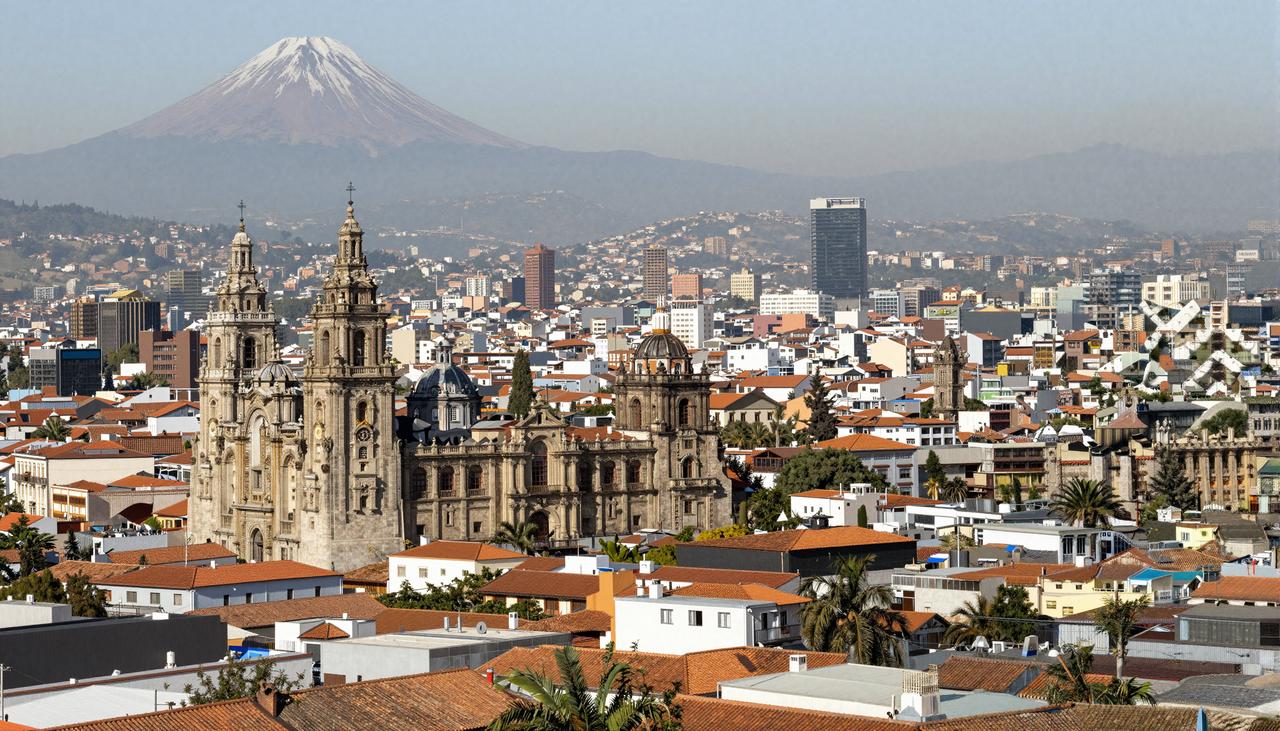
A Quick Overview of History and Culture
Santiago, the capital of Chile, is one of South America’s most culturally rich cities, blending Inca heritage, Spanish colonial legacies, and modern urban life. Its history dates back to the 16th century, when it served as one of Spain’s most important outposts in South America. Today, it is celebrated for its wealth of historical sites, traditional arts, and a vibrant multicultural atmosphere.
Key cultural themes in Santiago include: colonial architecture, Andean peoples, Latin American art movements, coffee culture, and artisanal traditions. Understanding these elements will help visitors more deeply appreciate the city’s spirit. It’s also advisable to familiarize yourself with Chile’s Independence Day (September 18) and other local festivals to better engage in cultural activities.
Must-Visit Cultural Landmarks
Museums
-
National Historical Museum (Museo Histórico Nacional): Housed in an historic building in the city center, this museum traces Chile’s journey from the colonial era to the present day, featuring military artifacts, early maps, and works of art.
-
La Moneda Palace (Palacio de La Moneda): The official residence of the President of Chile, this imposing structure hosts exhibitions on the nation’s political and social evolution; visits require advance booking.
-
Santiago Museum of Contemporary Art (MAC): Showcasing an extensive collection of Latin American modern art, with a strong focus on local artists, it’s ideal for those interested in contemporary creativity.
-
San Cristóbal Hill Museum (Museo del Castillo de San Cristóbal): Perched atop the hill, offering panoramic views of the city, the museum highlights Chile’s military history, particularly documents from 19th-century conflicts.
Historic Sites and Religious Buildings
-
San Cristóbal Hill (Cerro San Cristóbal): Beyond its stunning vistas, the hill is home to a chapel and a series of sculptures, making it an iconic symbol of Santiago.
-
Convent of Saint Francis (Convento de San Francisco): Founded in the 16th century, this convent preserves colonial architectural style, with exquisite wood carvings and frescoes inside.
-
Metropolitan Cathedral (Catedral Metropolitana): Located near the central plaza, it is one of Santiago’s oldest churches, blending Baroque and Neoclassical styles.
Cultural Neighborhoods
-
Bellavista District (Barrio Bellavista): A bohemian enclave brimming with street art and quirky boutiques, perfect for evening strolls and soaking up local life.
-
Plaza de Armas: The heart of Santiago, surrounded by government buildings, historic structures, and monuments.
-
Forest Park (Parque Forestal): A verdant urban oasis, featuring libraries, fountains, and memorial halls—ideal for leisurely relaxation.
-
Baquedano Square (Plaza Baquedano): Marked by the Statue of Liberty, this lively square is dotted with cafés and bookstores, inviting reading and socializing.
-
La Reina District: Rich in traditional markets and vintage architecture, it offers a window into everyday Chilean life.
Immersive Cultural Experiences
Craft Workshops
-
Leatherwork Studio: Join a traditional workshop in Santiago to learn how to craft leather bags or wallets; some studios offer short-term classes.
-
Pottery Workshop: Several art centers host courses in Latin American pottery, providing all materials—great for family fun.
Arts and Festivals
-
Theater Performances: Santiago boasts numerous theaters, such as the Teatro Municipal, regularly staging classic plays and musicals; tickets are best purchased in advance.
-
Andean Music Concerts: Traditional instrumentals, including the pan flute and charango, are often performed at cultural centers or open-air venues.
-
Holy Week (Semana Santa): If your trip coincides with this period, experience religious ceremonies, traditional cuisine, and street performances.
Guided Tours
-
Historical Walking Tours: Opt for professionally guided walking or bus tours to uncover the stories behind the city’s history and architecture.
-
Local-Led Routes: Seek out non-commercial, locally organized tours via social media or travel platforms for an authentic perspective.
Daily Cultural Itineraries
Day 1: Exploring History and Architecture
- Morning: Visit the National Historical Museum and La Moneda Palace to delve into Chile’s political and historical narrative.
- Afternoon: Stroll through Plaza de Armas and the Convent of Saint Francis, admiring colonial-era architecture.
- Evening: Dine at a Bellavista restaurant and soak up the district’s nightlife.
Day 2: Art and Cultural Immersion
- Morning: Head to the Santiago Museum of Contemporary Art (MAC) to explore Latin American modern art.
- Afternoon: Tour San Cristóbal Hill and the Metropolitan Cathedral, enjoying sweeping city views.
- Evening: Catch a small-scale theater or music performance, such as at Teatro Oriente.
Day 3: Discovering Neighborhoods and Markets
- Morning: Explore La Reina, experiencing its traditional markets and old streets.
- Afternoon: Shop or sip coffee around Baquedano Square, getting a feel for local life.
- Evening: Wander through Forest Park and embrace the city’s green spaces.
Day 4: Religion and Historical Depth
- Morning: Visit the San Cristóbal Hill Museum to learn about Chile’s military past.
- Afternoon: Explore the Convent of Saint Francis, marveling at its interior art and architecture.
- Evening: Attend a religious-themed performance or lecture.
Day 5: Local Life and Farewell
- Morning: Pick up souvenirs in Bellavista or try a hands-on craft class.
- Afternoon: Enjoy free time—return to favorite spots or unwind at a café.
- Evening: Savor a final dinner in the city center, marking the end of your cultural journey.
Cultural Etiquette and Taboos
In Santiago, respecting local customs and traditions is key. Avoid loud noises or photography in religious sites; remove your hat before entering a church. When speaking with locals, be polite and use “usted” (formal you) rather than “tú” (informal you). Also, refrain from touching others’ belongings or bodies, especially upon first meeting. During festivals, pay attention to local practices—for example, Holy Week observances are solemn and dignified.
Budget Breakdown + Travel Tips + FAQs
Budget Estimate (per person)
| Item | Cost (USD) |
|---|---|
| Accommodation (3 nights) | $150–$250 |
| Meals (3 per day) | $90–$150 |
| Tickets & Tours | $60–$100 |
| Transportation (bus & taxi) | $30–$50 |
| Shopping & Souvenirs | $30–$60 |
| Miscellaneous (insurance/emergencies) | $20–$40 |
| Total | $380–$650 |
Common Pitfalls to Avoid
- Failing to book popular attractions in advance: Places like La Moneda Palace require reservations; walk-ins may not be accommodated.
- Ignoring opening hours: Many museums and churches have specific schedules—check ahead.
- Relying solely on taxis: While metro and buses are reliable, taxi fares can fluctuate; use ride-hailing apps instead.
- Missing seasonal events: Plan ahead during festival periods to ensure you don’t miss out.
- Underestimating craft prices: Some markets may overcharge—compare carefully.
- Forgetting cash: Small eateries and markets often accept only cash, so carry some on hand.
Frequently Asked Questions
Q: Do I need to book guided tours in advance? A: Yes, especially for popular sites and private tours; aim to reserve at least a week ahead.
Q: Is public transport convenient in Santiago? A: Buses and the metro are well-developed, but downloading apps like Google Maps or Citymapper will aid navigation.
Q: What souvenirs are worth buying? A: Leather goods, ceramics, handwoven textiles, and Andean-style jewelry make excellent keepsakes.
Verification Resources
- Official Tourism Website: https://www.turismochile.cl
- Attraction Websites: e.g., Museo Histórico Nacional, Palacio de La Moneda
- Mapping Platforms: Google Maps, Waze
- Transportation Sites: Santiago Metro, Transantiago
- Language Support: English-language tours are available at select sites—check in advance.
- Festival Information: Check the Chilean Ministry of Culture website or social media for the latest event updates.