A Quick Guide to History and Culture
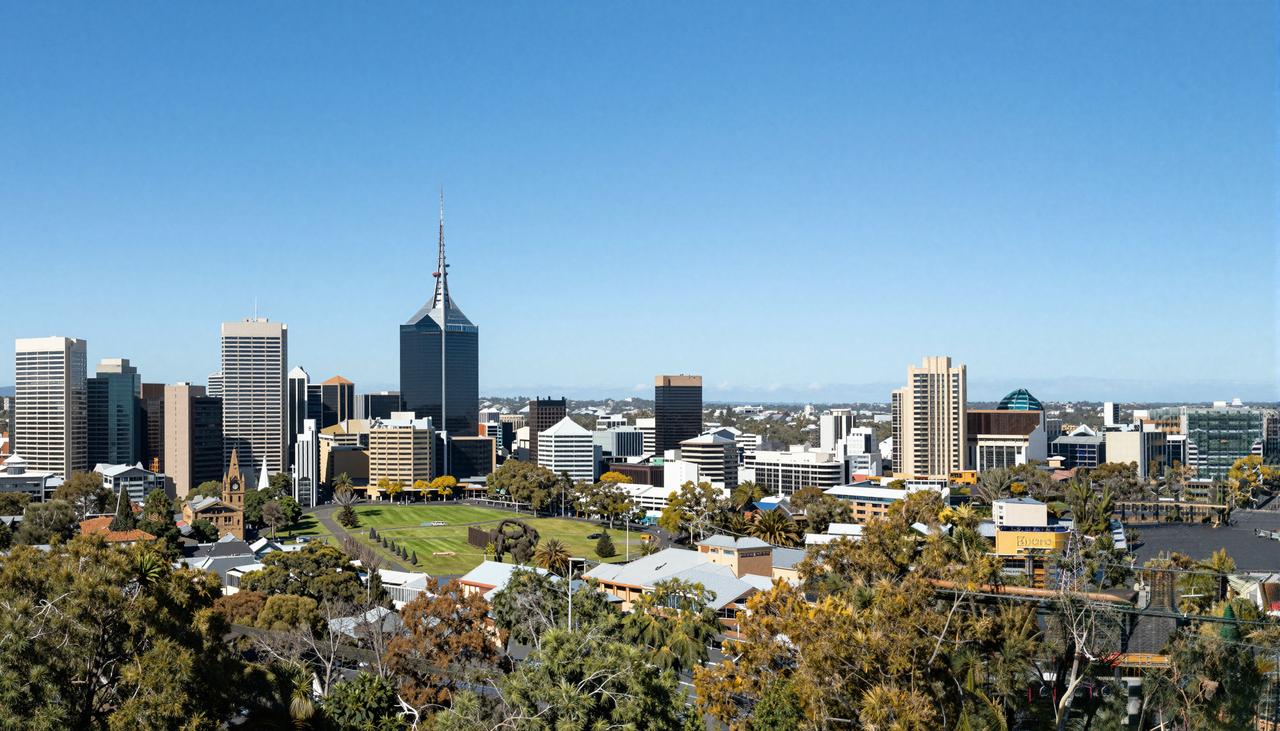
Hobart, the capital of Tasmania, Australia, boasts a rich colonial history and vibrant Indigenous culture. Known as a British penal settlement founded in 1804, the city today preserves numerous historic buildings and sites. It is also a place where art and nature converge, hosting a variety of cultural festivals each year that draw visitors from around the world. Hobart’s cultural experiences extend beyond museums and exhibitions, manifesting in street art, local crafts, and traditional music. Key themes for understanding this city include its colonial heritage, Indigenous traditions, artistic atmosphere, and the seamless blend of nature and humanity.
Must-Visit Cultural Landmarks
Museums and Historical Sites
1. Hobart Museum
Housed in the Old Supreme Court Building, this museum showcases Tasmania’s history and culture, featuring exhibits on early settler life, Indigenous history, and artifacts from the colonial period.
2. Cascades Female Factory National Historic Site
Once Australia’s largest site for female convicts under British rule, it is now a UNESCO World Heritage Site. Guided tours offer insight into the lives and historical significance of these women.
3. Old Government House
A 19th-century official residence, it provides a glimpse into colonial architecture and daily life.
4. Tasmanian Museum and Art Gallery (TMAG)
With an extensive collection of Indigenous art, historical artifacts, and exhibits on Aboriginal culture, TMAG offers a deep dive into the region’s cultural heritage.
Religious and Architectural Landmarks
5. St John’s Cathedral
Built in 1846, this is one of Hobart’s most iconic religious structures, renowned for its exquisite interior and regular pipe organ concerts.
6. Old Hobart Town Hall
Completed in the 1880s, this Victorian-style building now serves as a hub for cultural events.
Cultural Districts and Squares
7. Russell Street
Hobart’s central commercial district, home to boutique shops, cafés, and art galleries—perfect for strolling and shopping.
8. Hobart Market
Open every Sunday, it offers fresh produce, handmade goods, and local delicacies, making it an ideal spot to experience everyday life in the city.
9. Hobart Waterfront
A historic port area with commemorative sculptures, waterfront promenades, and viewing platforms—ideal for an evening stroll.
Unique Cultural Spaces
10. Hobart Arts District
A thriving enclave of galleries, studios, and independent bookstores, attracting artists and creatives from across the region.
11. Woolly Swamp Garden
One of Hobart’s oldest parks, located near the city center, it’s a peaceful retreat for walking and photography.
12. Hobart Performing Arts Centre
Hosting a wide range of performances—from theater to concerts—it’s a vital venue for experiencing local arts.
Immersive Cultural Experiences
Crafts and Art Workshops
1. Pottery Workshop
Participate in a hands-on pottery session at a studio in the Arts District, learning how traditional techniques meet contemporary design.
2. Local Craft Markets
Regularly held at Hobart Market or in the Arts District, these markets are perfect for discovering jewelry, textiles, and woodcarvings created by local artisans.
Performances and Festivals
3. Local Theater Production
Hobart is home to several small theaters, such as the Hobart Theatre, which often stages original plays and classic works.
4. Tasmanian Festival of the Arts
Held each spring, this festival celebrates painting, music, dance, and other art forms, offering a wonderful opportunity to engage with the region’s creative scene.
Guided Tours and Cultural Walks
5. Historic Site Tours
Book a professional guided tour of landmarks like the Cascades Female Factory or the Old Supreme Court to uncover their stories and significance.
6. City Walking Tour
Join a local guide on a cultural itinerary through Hobart, exploring its colonial past, architectural styles, and evolving communities.
Daily Cultural Itineraries (Day 1–Day 7)
Day 1: Exploring Colonial History
- Morning: Hobart Museum + Cascades Female Factory
- Afternoon: Old Hobart Town Hall + Shopping and Coffee on Russell Street
- Evening: Stroll along the Hobart Waterfront + Night Market Snacks
Day 2: A Journey Through Art and Culture
- Morning: Tasmanian Museum and Art Gallery
- Afternoon: Explore the Hobart Arts District + Visit a Craft Market
- Evening: Catch a Performance at a Local Theater
Day 3: Blending Nature and Culture
- Morning: Woolly Swamp Garden + Walk Along the Waterfront
- Afternoon: Shop at Hobart Market and Enjoy Lunch
- Evening: Attend a Show at the Hobart Performing Arts Centre
Day 4: Delving Deeper into Urban Culture
- Morning: St John’s Cathedral + Old Hobart Town Hall
- Afternoon: Free Time on Russell Street + Café Experience
- Evening: Savor the City’s Nightlife and Bar Scene
Day 5: Outdoor Adventures Meets Culture
- Morning: Short Trip to a Nearby Town (e.g., Battery Point)
- Afternoon: Return to the Arts District
- Evening: Join a Small-Scale Cultural Festival
Day 6: Balancing History and Art
- Morning: Old Government House + Historical Guided Tour
- Afternoon: In-Depth Museum Visit + Lunch at a Local Restaurant
- Evening: Explore an Art Exhibition or Performance
Day 7: Reflection and Relaxation
- Morning: Free Time or Shopping
- Afternoon: Final Market Visit
- Evening: Farewell Dinner + Admire the City’s Night Views
Cultural Etiquette and Taboos
Hobart residents are generally friendly and courteous, but it’s important to observe basic manners in public spaces. Respecting local history and Indigenous culture is essential—avoid inappropriate language or disrespectful behavior. Maintain quiet and cleanliness in religious venues, and always seek permission before taking photos. Keep noise levels down in public areas, especially museums and theaters. Additionally, check schedules for festivals and events in advance to ensure you don’t miss out.
Budget Breakdown + Travel Tips + FAQs
Estimated Budget (Per Person, 7 Days)
| Category | Approximate Cost (AUD) |
|---|---|
| Accommodation (Budget Hotel/Hostel) | 1,200–1,800 |
| Meals (Approx. 60–100 per day) | 420–700 |
| Transportation (Public Transit + Short Trips) | 300–500 |
| Attractions (Museums, Guided Tours, etc.) | 200–400 |
| Shopping and Souvenirs | 200–400 |
| Total | 2,320–4,800 |
Travel Pitfalls to Avoid
- Fluctuating Attraction Prices: Ticket costs at some museums and historic sites vary seasonally; confirm prices before your trip.
- Limited Public Transport: Buses in Hobart run infrequently, particularly on weekends and holidays—plan your itinerary ahead.
- Unpredictable Event Timings: Some festivals may be canceled due to weather or organizational issues—double-check details beforehand.
- Restricted Dining Options: Restaurants in suburban areas often have limited hours; make reservations or consult online reviews in advance.
- Inconsistent Craft Quality: When purchasing souvenirs at markets, carefully assess authenticity to avoid counterfeit items.
- Nighttime Safety: While Hobart is generally safe, exercise caution in less populated areas after dark.
Frequently Asked Questions
Q: What’s the best time to visit Hobart?
A: April to October offers pleasant weather and is ideal for sightseeing; November to March is the rainy season, though many festivals take place during these months.
Q: Which art exhibitions should I not miss in Hobart?
A: Check out galleries in the Hobart Arts District, the Tasmanian Museum and Art Gallery, and special exhibitions during local arts festivals.
Q: How can I explore the areas surrounding Hobart?
A: Take buses, rent a car, or hire a private driver; some attractions also offer dedicated sightseeing shuttle services.
Sources for Further Information
- Official Tourism Website: Visit Tasmania
- Attraction Websites: Hobart Museum, Cascades Female Factory, Tasmanian Museum and Art Gallery, etc.
- Mapping Platforms: Google Maps, TripAdvisor
- Transport Authorities: Tasmanian Transport Authority, Local Bus Services
- Festival Information: Tasmanian Festival of the Arts, Hobart Market announcements
- Restaurant and Accommodation Guides: Yelp, TripAdvisor, Booking.com